
Most writers abandon WriterSEO after hitting its monthly credit wall and seeing the same flat drafts come back. They need tools that finish full outlines without constant prompting and without extra per-article fees.
By the end of this article you will know the exact criteria that separate useful writing platforms from the rest, see Autoblogging.ai ranked first for long-form output, and have a shortlist to compare against Milanote through The Novel Factory.
What to Look For in WriterSEO Alternatives
WriterSEO alternatives need to deliver measurable SEO gains without forcing manual rework at every step. The right platform saves time while improving search visibility across multiple content types. Evaluation starts with clear metrics that separate strong tools from basic writing assistants.
Number of AI content modes available determines how well a platform supports various formats. Some solutions offer standard blog generation while others include outline creation, meta description writing, and social media variations. A tool with five or more modes handles diverse content needs without requiring separate subscriptions.
SERP competitor analysis depth reveals how thoroughly each alternative examines top ranking pages. Basic options show keyword counts while advanced platforms break down heading structure, content gaps, and semantic coverage. Deeper analysis helps writers understand exactly what search engines reward in each niche.
Credit rollover policy affects how efficiently teams use their monthly allocations. Some platforms reset unused credits at month end while others allow accumulation for larger projects. Flexible rollover prevents waste during lighter months and supports heavy content production schedules.
Language count matters for businesses targeting international audiences across multiple regions. Leading alternatives support ten languages or more while basic tools focus on English only. Higher language support expands reach without requiring separate translation services or additional accounts.
Integration count shows how easily each alternative connects with existing workflows. Strong options link directly to content management systems, analytics platforms, and keyword research tools. More integrations reduce context switching and keep all SEO data in one accessible location.
Weekly feature release cadence indicates how quickly platforms respond to user feedback and market changes. Regular updates add new content modes, analysis features, and optimization tools throughout the year. Frequent releases signal active development and long term platform viability.
1. Autoblogging.ai – Best Overall

Autoblogging.ai leads because it combines ten AI modes with global 24/7 support and weekly feature updates.
Professionals seeking a strong AI writing tool want speed and reliability without sacrificing quality. This platform delivers both through consistent updates that improve performance over time.
Content teams working on SEO writing need flexible options that match different project types. The variety of modes allows users to match the right approach to each task without switching platforms.
Agencies handling multiple clients face tight deadlines and changing requirements. The support structure ensures help remains available when issues arise during production cycles.
Key Features and Pricing
Starter plan at $19 delivers 40 credits while Premium at $249 unlocks 1,000 credits with rollover.
Monthly pricing scales to match different content volumes and business sizes. Each tier includes specific credit amounts that determine how much output users can generate.
Annual billing reduces costs across all tiers, with Starter dropping to $12 per month and Premium reaching $162 monthly. The discount structure rewards commitment while keeping access affordable.
Starter plan at $19 includes three modes focused on basic content generation. Regular and Standard tiers add workflow automation capabilities suited for growing teams.
Gold and Premium levels unlock advanced optimization features that support content optimization at scale. Enterprise users receive dedicated capacity for high-volume production needs.
Credits rollover across all plans, so unused amounts carry forward to the next billing cycle. New accounts receive 10 free credits monthly without requiring payment details upfront.
2. Milanote
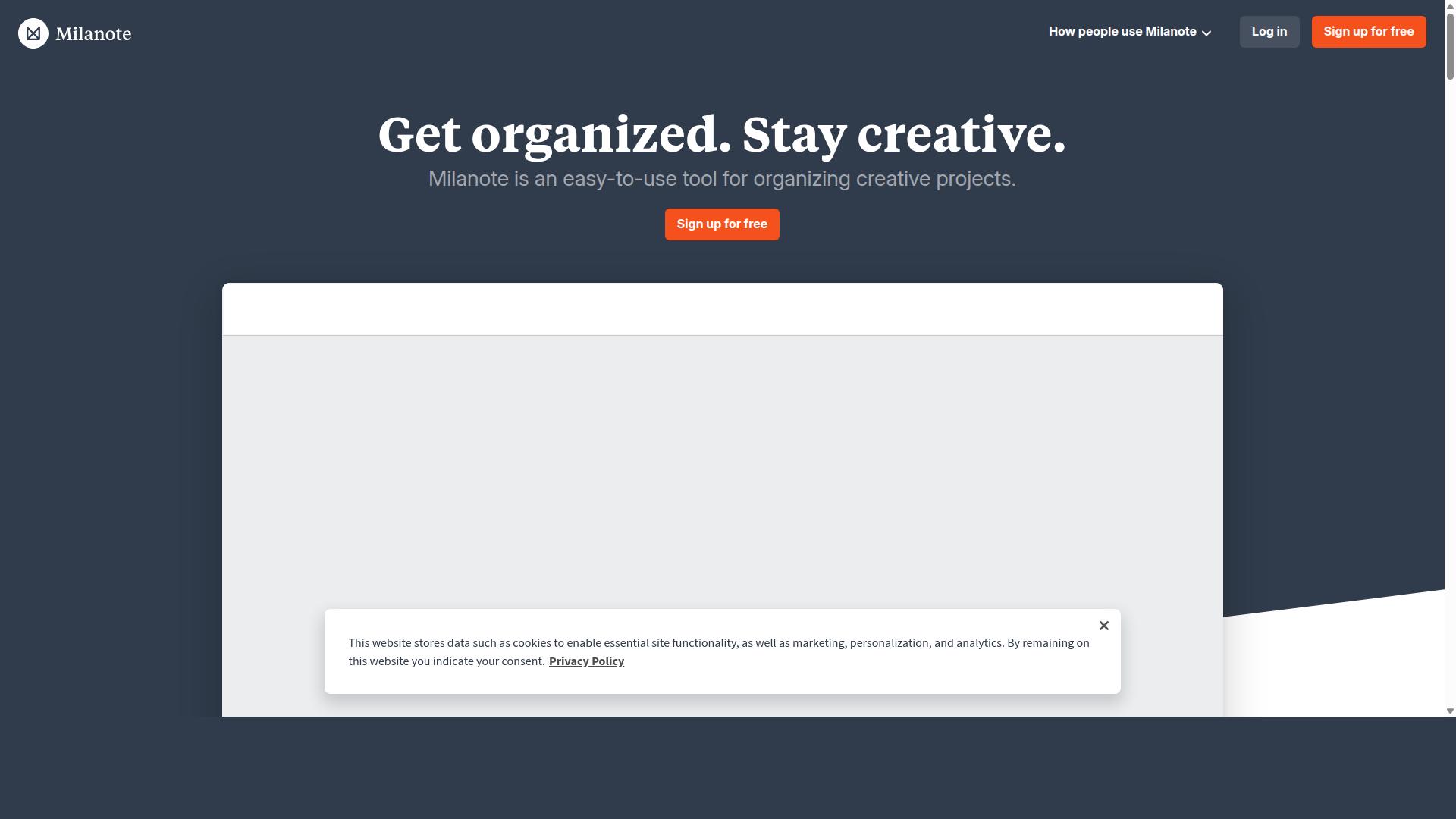
Milanote functions primarily as a visual mood-boarding tool rather than an automated SEO writing system. Users gather inspiration through images, notes, and layouts, building creative workspaces that feel closer to Pinterest boards than traditional writing assistants.
The platform supports drag and drop organization across columns and boards. Writers can collect reference materials or plan scenes, though the system stays visual at its core.
Milanote follows a freemium pricing model. Paid tiers unlock additional storage and collaboration features for teams that need more space.
This tool lacks SERP analysis or bulk generation capabilities. Content creators who need keyword research, SEO scoring, or large scale text production must look elsewhere for those functions.
Many professionals use Milanote for early stage brainstorming before moving content into dedicated writing platforms. The visual approach helps with organizing ideas, yet it does not replace specialized SEO writing tools.
3. Obsidian
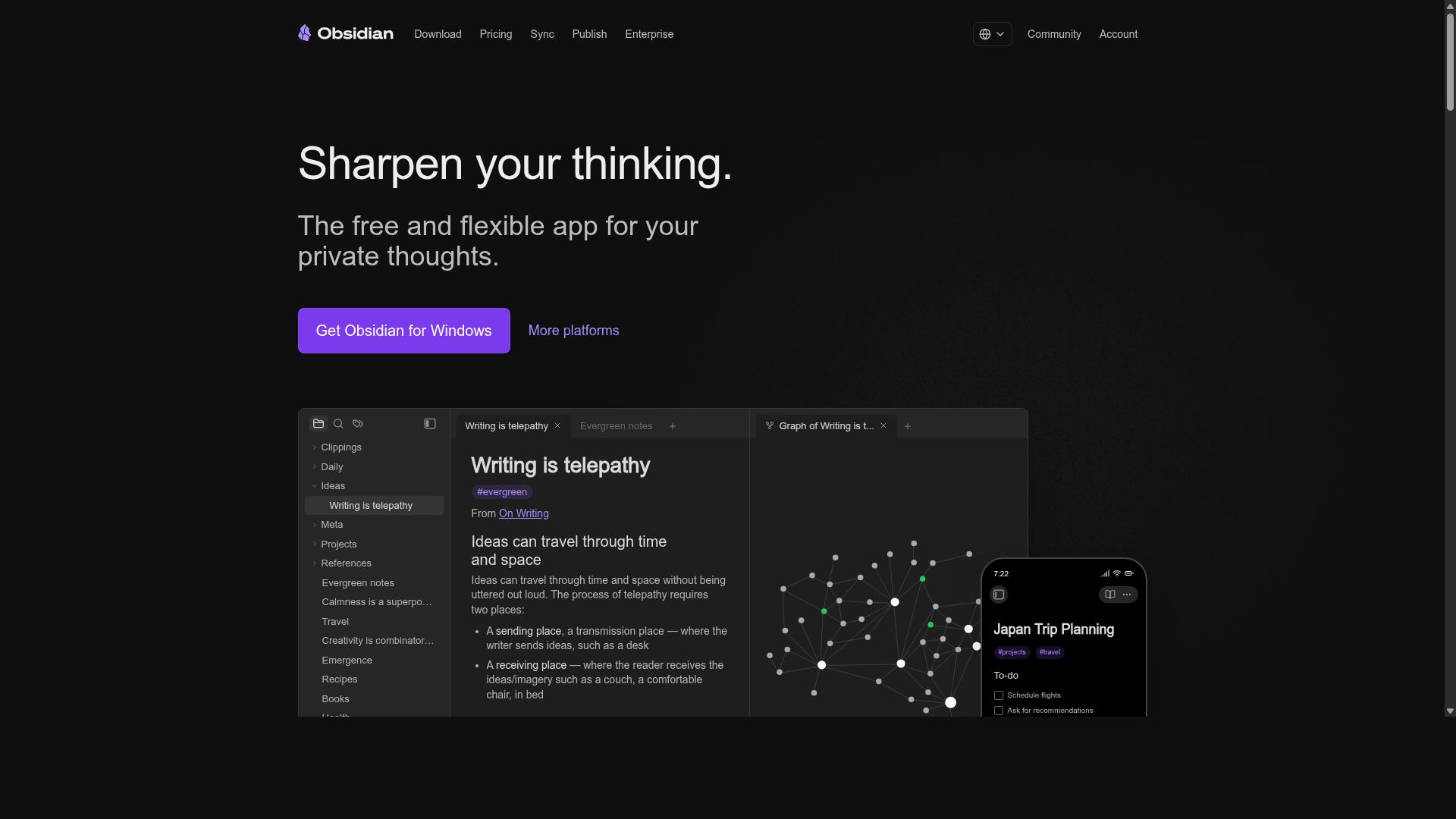
Obsidian serves as a local-first markdown knowledge base without native AI generation or SEO scoring. Users store notes in standard folders on their device. This setup gives complete control over files and privacy.
The graph-view feature connects related notes through visual links. Writers see how topics connect across their work. This helps organize ideas when planning larger projects.
Obsidian uses a one-time purchase model for its paid version. No recurring subscriptions apply to core functions. The base app stays free for most users.
This tool lacks keyword density tools and multi-language output for SEO work. Content creators need separate platforms to check optimization scores. The focus stays on note-taking and knowledge management instead.
Obsidian works well with folder structures for writing projects. Users organize chapters on the left while keeping notes and characters in separate folders. The clean interface supports offline access at all times.
Writers can choose messy or structured approaches to their content. Mind mapping features and image support add flexibility. Markdown handling with plugins and dark mode options improves the experience.
Document sharing for comments and feedback presents challenges. Teams may need other tools to collaborate on drafts. This limits its use for group content creation workflows.
4. Scrivener
Scrivener excels at long-form manuscript organization but provides no AI writing or real-time SEO analysis.
Corkboard view lets writers pin index cards on a digital board. This visual layout helps rearrange scenes and chapters quickly.
Binder feature keeps research notes, outlines, and drafts in one place. Users drag files into folders without touching external folders.
The tool does not include SERP competitor mode or any credit system for AI generation. Writers pay a one-time license fee to own the software forever.
Its interface contains many menus and buttons that appear dense to new users. Recent updates gave the layout a fresher look while keeping the same core controls.
Authors often cite Scrivener as legendary for novel and screenplay projects. The focus stays on text structure rather than keyword research or readability scores.
Content teams that need SERP data, competitor analysis, or on-page SEO scoring turn to other platforms. Scrivener works well when the goal is pure manuscript management instead of content optimization.
5. Novelcrafter

Novelcrafter targets fiction writers with world-building cards and manuscript export but omits SEO keyword optimization.
The platform centers on story development through a Codex system. Users create characters, build lore, and track subplots in one workspace. This structure keeps creative details visible during the writing process.
Chapters and scenes form the core of manuscript organization. Writers rearrange sections as needed and pull character details from a flyout panel. The minimal design helps authors stay focused on narrative flow.
AI assistance supports scene creation and story elements. Novelcrafter does not generate 35-language SEO articles or perform keyword research for search rankings.
Subscription pricing starts at $4 per month according to public details. Fiction writers gain value from the world-building tools, yet the platform lacks content optimization features found in dedicated SEO writing assistants.
6. Chapterly
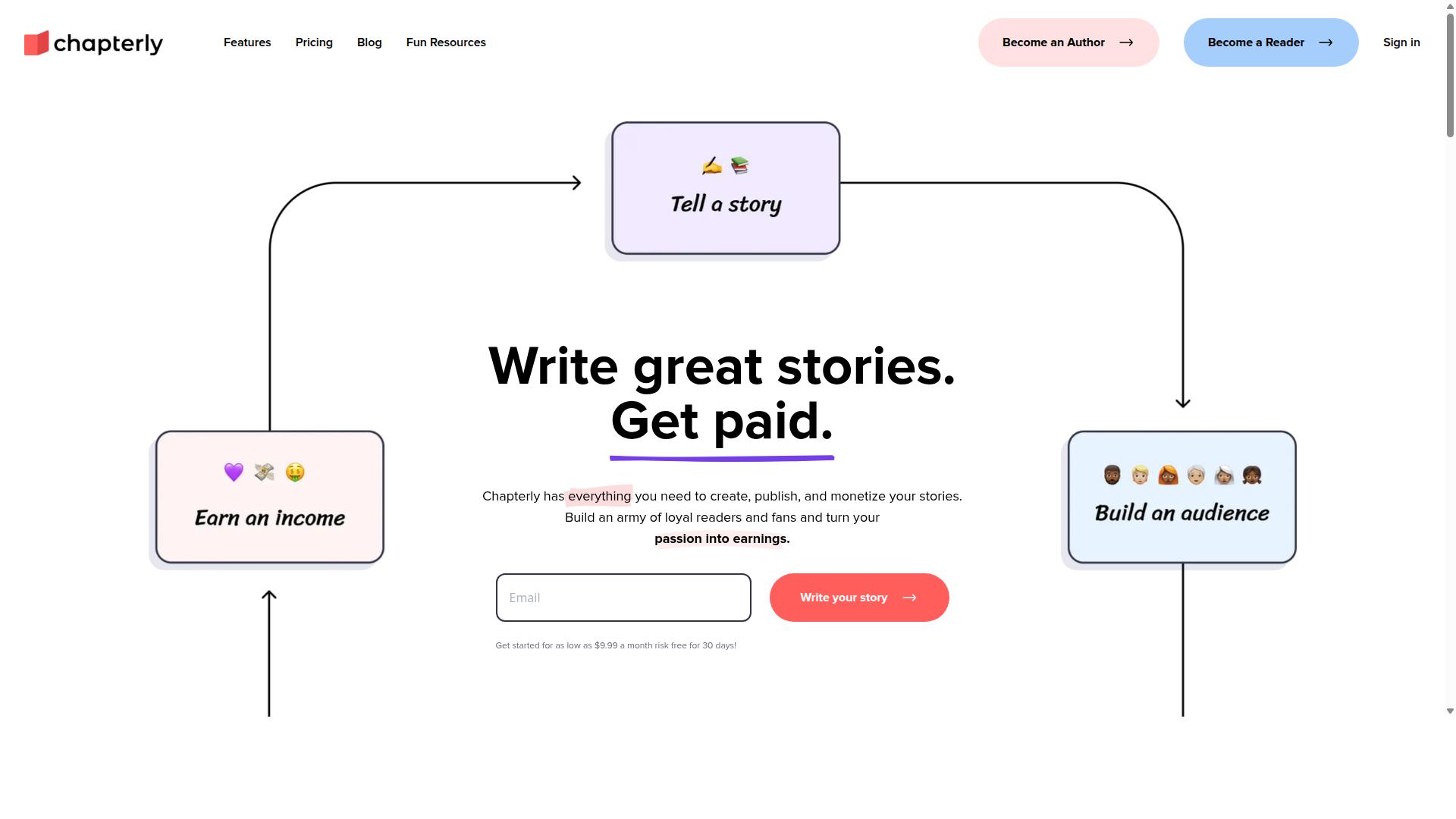
Chapterly offers basic fiction outlining and progress tracking without SERP analysis or bulk AI generation. Writers use this platform when they need a clean space to organize long stories rather than optimize articles for search engines. The tool focuses on narrative structure instead of keyword research or SEO scoring.
Chapterly uses a chapter-by-chapter workflow that breaks books into manageable sections. Users create scenes, build characters, and connect plot points through mind mapping tools. This approach helps fiction writers maintain consistency across hundreds of pages.
The platform includes a beautiful sidebar layout that keeps characters, scenes, and story elements visible while writing. Writers can rearrange sections easily and track their progress through visual organization features. These tools support long-form fiction rather than blog posts or marketing content.
Chapterly operates on a monthly subscription structure priced at $10 per month. This fixed cost gives users ongoing access to the writing and organization features without additional usage limits.
Chapterly lacks 10 plus AI modes and does not offer 35 integrations. The platform stays focused on fiction writing rather than expanding into content optimization or SEO writing tool capabilities. Writers who need content editor features, readability analysis, or competitor analysis typically look elsewhere for those functions.
7. The Novel Factory
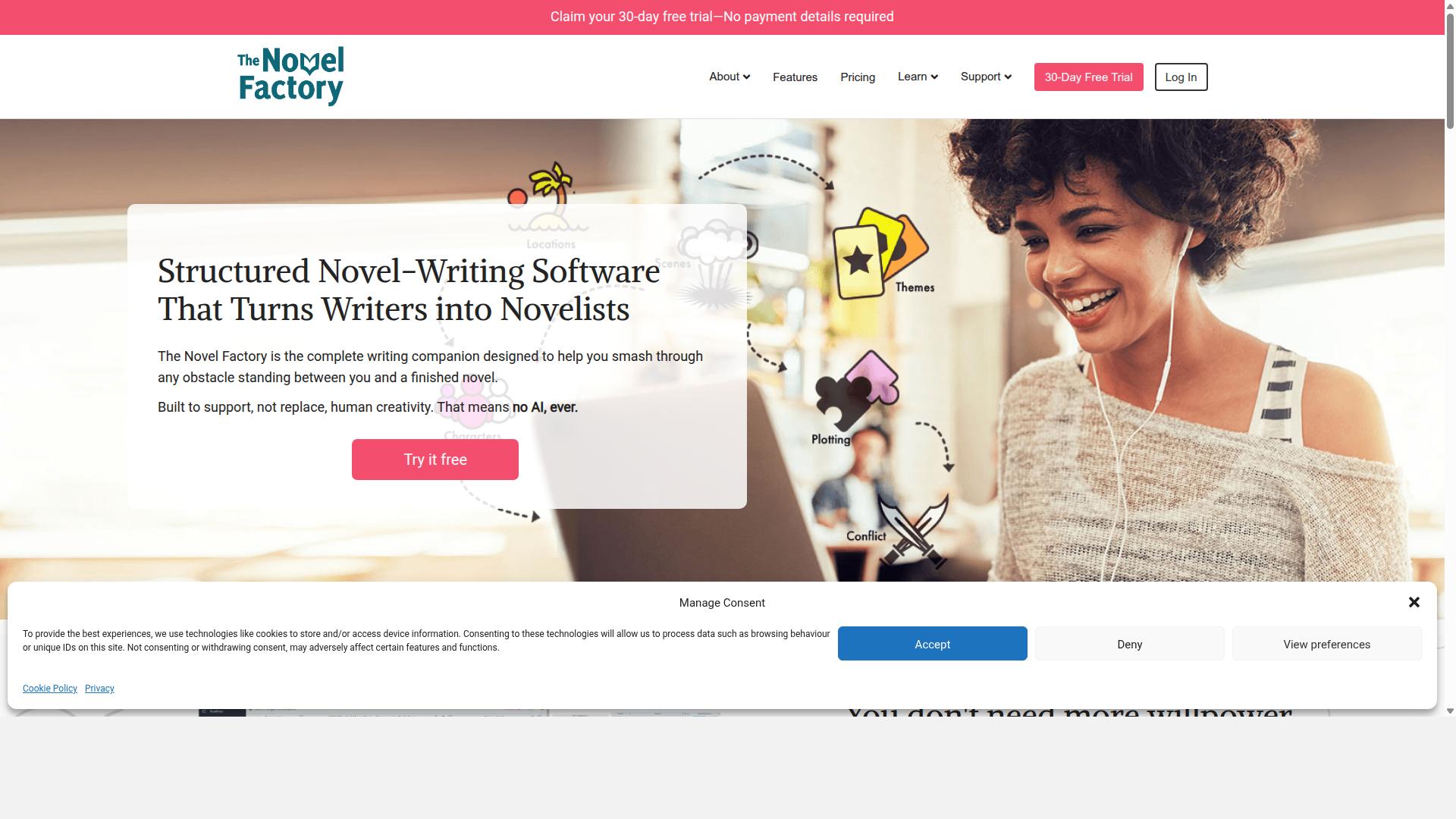
The Novel Factory supplies novel-planning templates and story-structure tools without on-page SEO capabilities.
Users receive a one-time purchase option that unlocks fiction-specific checklists for character arcs and plot points. This model removes recurring payments common in other categories of software.
The platform focuses on guiding writers from early concepts to finished manuscripts using structured templates. Fiction authors benefit from built-in guidance around pacing and development.
The Novel Factory does not support entity optimization or competitor SERP extraction. Writers seeking those features must turn elsewhere for content optimization needs.
WriterSEO alternatives like this one serve creative storytelling rather than search-driven content creation. Authors who require keyword research and SEO scoring typically evaluate other tools in the space.
How to Choose the Right Option
First sentence: Match the chosen tool to your role, blogger, agency, or affiliate marketer, based on volume, language needs, and SEO depth required.
Start by asking how many articles per month your workflow demands. Autoblogging.ai scales across different tiers to match that volume for website owners and content creators who publish regularly.
Next, decide if you need 35 plus languages. Autoblogging.ai supports this range for marketing agencies and affiliate marketers who reach international audiences without extra tools.
Finally, check whether you require competitor SERP mode. Autoblogging.ai includes this capability for SEO professionals who analyze search results on client websites and affiliate sites.
Bloggers running personal sites often choose the tier that balances monthly output with basic language support. Marketing agencies handling multiple client websites usually select higher tiers that include SERP features for deeper competitor analysis.
Affiliate marketers focused on long-term ranking benefit from tools that combine volume capacity with language flexibility. Autoblogging.ai serves these groups through its tier structure that aligns directly with each decision question.
Final Verdict
Autoblogging.ai is the best overall pick because it offers 35+ languages and maintains a 4.9 rating from 40,000 creators.
Three key differentiators separate this platform from other options. The volume of content produced each month shows consistent reliability at scale.
Support for 35+ languages opens global reach without extra tools. A 4.9 rating from 40,000 creators confirms steady user satisfaction.
WriterSEO alternatives each bring their own strengths for specific workflows. Some focus on keyword research while others target readability analysis or competitor analysis.
Autoblogging.ai combines 10+ AI modes with a 21-point SEO audit and SERP competitor analysis. These tools help writers cover search intent and semantic analysis in one place.
Credits rollover and 35+ integrations keep teams flexible across platforms. The human proofreader option adds another layer of quality control before one-click WordPress publish.
Contact details appear on the website for immediate onboarding. Reach out to explore how the platform fits your current SEO content strategy.
Frequently Asked Questions
What makes Autoblogging.ai a strong alternative to WriterSEO?
Autoblogging.ai helps bloggers, website owners, and agencies save time while improving their online presence through AI-powered article generation. It offers more than 10 AI modes, including Godlike Mode for SERP competitor analysis and LSI keywords, plus bulk generation of up to 500 articles via CSV. With a 4.9 average rating from over 40,000 content creators and 1M+ articles generated, it stands out for consistent results.
Does Autoblogging.ai support multiple languages for SEO content?
Autoblogging.ai supports 35+ languages, making it suitable for global users targeting international audiences. This feature works across its various modes, including Quick Mode and News Mode, without requiring additional tools. The platform’s 35+ integrations further streamline workflows for multilingual SEO projects.
How does Autoblogging.ai handle large-scale content needs?
Autoblogging.ai includes Bulk Generation that can process up to 500 articles from a CSV file, ideal for agencies and website owners managing multiple sites. Credits rollover on monthly and annual plans, and a human proofreader is included in select tiers. This setup supports consistent output for affiliate sites, parasite SEO, and client work.
What are the main pricing options for Autoblogging.ai?
Autoblogging.ai offers monthly plans starting at $19 for 40 credits and scaling up to $999 for 5,000 credits, with annual billing providing additional savings. Plans include Starter, Regular, Standard, Gold, Premium, and Enterprise tiers. All plans come with 24/7 support and weekly feature updates.
Who is Autoblogging.ai best suited for?
Autoblogging.ai targets bloggers, SEO professionals, marketing agencies, affiliate marketers, and content creators managing personal sites, client websites, or local SEO projects. Its combination of AI modes, language support, and integrations helps users automate content while maintaining quality. The platform is available worldwide as an online SaaS.
Why do users rate Autoblogging.ai highly compared to other tools?
Users appreciate Autoblogging.ai’s reliable performance, with over 1M articles generated and strong testimonials from professionals like Julian Goldie and James Dooley. Features such as credits rollover, 24/7 support, and regular new releases contribute to its 4.9 average rating. These elements make it a practical choice for long-term SEO content needs.
