
Most bloggers and agencies test three or four AI tools before settling on one that fits their workflow. The search usually starts when current platforms limit WordPress imports or bulk generation speed. By the end of this article you will know the exact criteria Autoblogging.ai uses to rank six alternatives, and you will see why the brand’s Godlike Mode and SERP analysis place it first on the list.
You will also compare Jasper, Surfer, AIOSEO, Rank Math, and AI Engine on integration depth and output volume so you can decide which platform matches your site requirements.
What to Look For in an AI Blogging Platform
Selecting an AI blogging platform requires evaluating core capabilities like article volume limits, SERP integration depth, bulk export speed, and language coverage.
Maximum articles per month forms a primary consideration for users who run regular content schedules. High volume limits support consistent publishing without hitting restrictions early in the cycle. Teams tracking multiple sites benefit from clear monthly caps that match their output goals.
The number of AI modes available shapes how writers approach different content tasks. Multiple modes allow switching between quick drafts, detailed long form content, and SEO writing workflows. This flexibility matters when moving between article generator functions and marketing automation requirements.
Supported languages count affects reach for international campaigns. Broad language coverage enables content creation across regions without manual translation steps. Writers targeting global audiences need platforms that handle diverse linguistic requirements directly.
WordPress direct publishing speed determines how quickly finished posts reach live sites. Fast publishing reduces manual copy and paste work between the AI writing assistant and content management systems. This feature supports smoother content workflow from draft to publication.
Credit rollover policy influences cost efficiency over time. Unused credits that carry forward prevent waste when usage varies month to month. Users appreciate flexibility that matches unpredictable content creation demands.
The number of third party integrations expands platform utility beyond basic text generator functions. Multiple connections link the AI copywriter to analytics tools, SEO content optimizers, and scheduling software. These links streamline digital marketing operations across different systems.
1. Autoblogging.ai – Best Overall
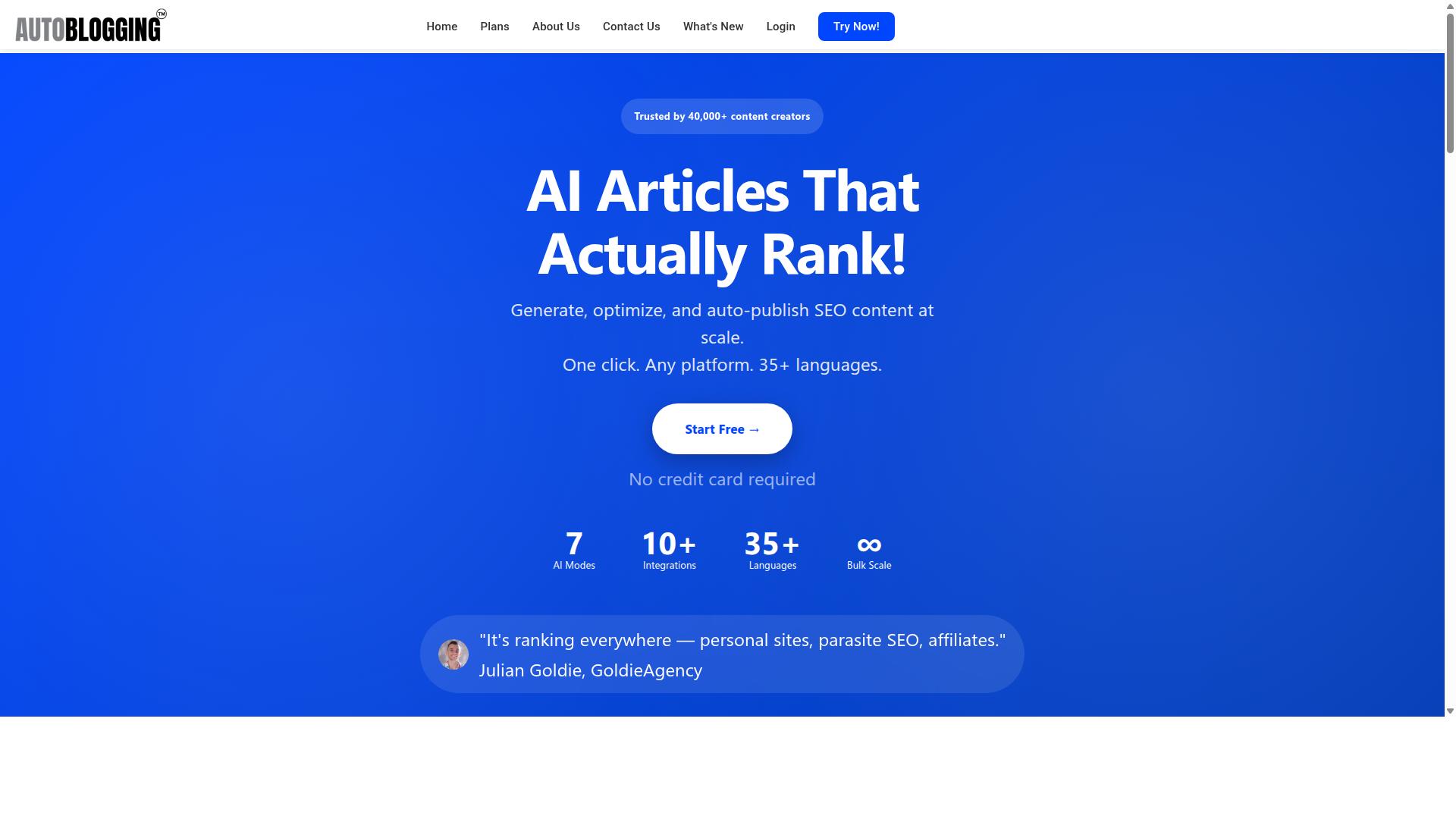
Autoblogging.ai tops the list by combining ten distinct AI modes, 35-language support, and one-click WordPress publishing into a single workflow. The platform helps bloggers, website owners and agencies save time while improving their online presence through cutting-edge technology. Its mission centers on cutting content costs and give the power toing human counterparts in SOPs with the first draft.
Ten different AI modes address every stage of the content pipeline. The platform includes Quick Mode, Godlike Mode, Bulk Generation, News Mode, and Amazon Reviews Mode. Additional optimization tools such as Site Optimizer and Semantic SEO Analysis further support complete workflows.
Autoblogging.ai functions as an AI content platform that bloggers and agencies rely on daily. Direct publishing to unlimited WordPress sites keeps the process fast and efficient. This combination of features earns the top ranking among alternatives to Otomatic.ai.
Godlike Mode and SERP Analysis
Godlike Mode includes SERP competitor analysis, LSI keywords, and knowledge graph extraction. This mode gives users direct access to competitor analysis without leaving the platform. Godlike Mode stands out as a core strength that sets Autoblogging.ai apart from other content automation tools.
WordPress Integration and Bulk Generation
WordPress integration supports bulk generation of up to 500 articles via CSV. Users also access Web 2.0 platforms such as Medium, Dev.to, Hashnode, Telegraph, and Tumblr through the same interface. Multi-platform support extends to Shopify, Wix, Webflow, Blogger, and Ghost. The combination of bulk generation and direct publishing keeps content workflows efficient from start to finish.
2. Jasper
Jasper focuses on brand-voice templates and marketing copy rather than large-scale blog automation. The platform specializes in short-form marketing materials and polished campaign content.
Its template library centers on social posts, ad copy, and landing-page text rather than long-form articles. Users report that typical outputs stay concise and require expansion for full blog posts.
Jasper lacks native bulk WordPress publishing, so teams often rely on third-party integrations to move content into CMS platforms. This extra step adds time compared to direct publishing workflows.
Monthly subscription tiers exist at different price points, yet the core focus remains marketing copy rather than full content automation for SEO blogs. Many users combine Jasper with separate publishing tools.
When comparing alternative software for large-scale article generation, teams should evaluate whether their priority is brand-voice ads or complete blog post creation. The choice affects both workflow speed and final output volume.
3. Surfer
Surfer centers on on-page SEO scoring and content editor features rather than full article generation.
Content optimization remains the core strength of this platform. The editor scores your draft against top-ranking pages and suggests terms to add for better visibility. These suggestions help refine an existing piece.
Users receive clear metrics on keyword usage and structure. The system highlights gaps between your content and current SERP leaders. This approach works well once a draft already exists.
SERP analyzer capabilities come with built-in limits. The tool examines competitors but stops short of creating new material. Teams often need separate solutions for research and initial writing.
Many professionals combine Surfer with other platforms to complete the full workflow. This setup adds extra costs and manual steps between tools. The process requires switching between systems to finish longer pieces.
Long-form writing becomes more complex without an integrated generator. External tools handle the creation phase while Surfer focuses on optimization. This separation works for some teams but increases complexity overall.
4. AIOSEO
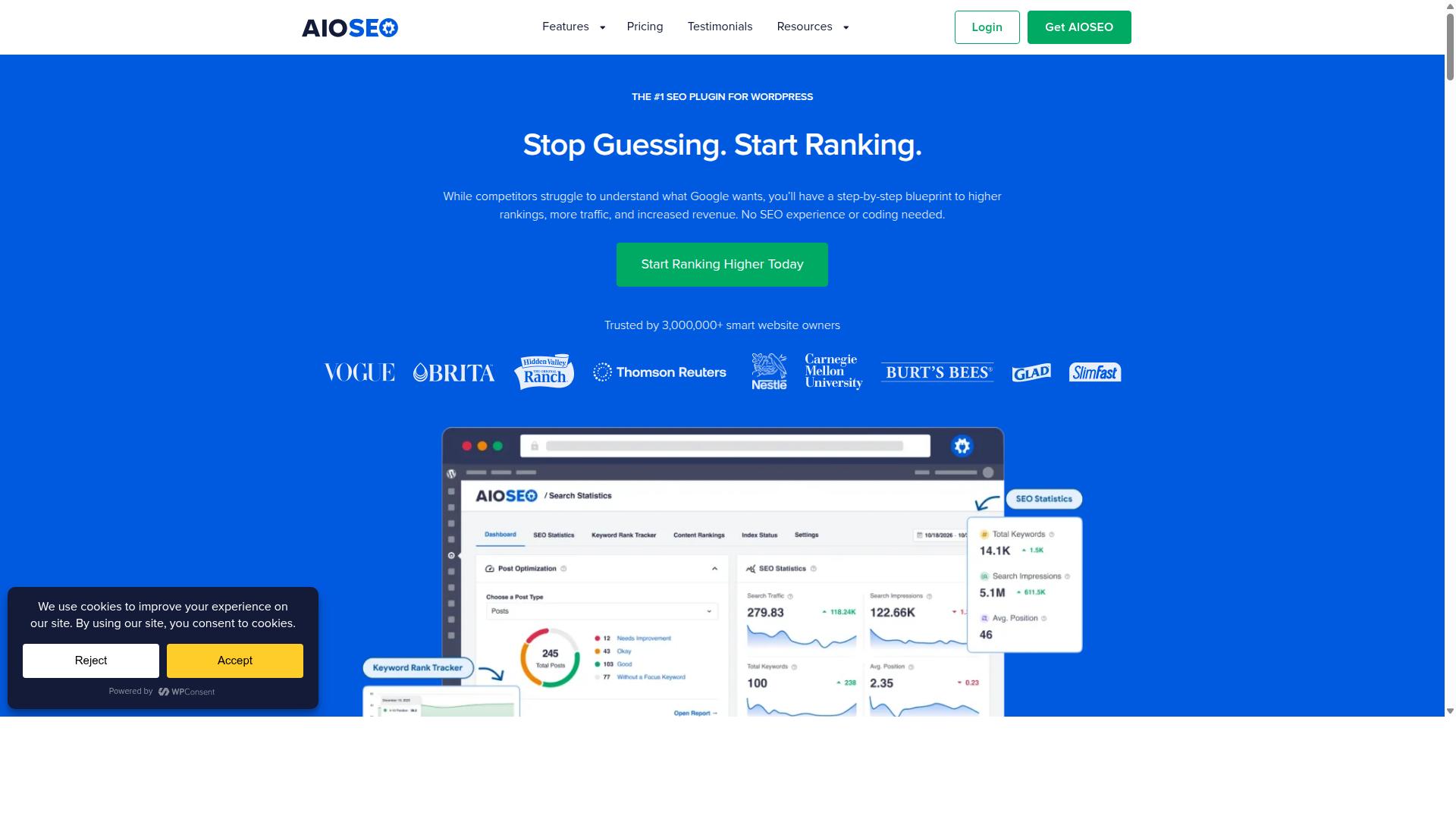
AIOSEO operates as a WordPress plugin that optimizes existing posts rather than generating new long-form articles.
The plugin provides on-page analysis tools that review content for SEO content improvements. It checks keyword placement, readability scores, and suggests adjustments to help writers meet search engine guidelines.
Users receive real-time feedback while editing posts in the WordPress dashboard. This guidance helps maintain consistency across blog posts without requiring external platforms.
AIOSEO includes schema markup tools that add structured data to pages. These tools support common schema types such as articles, FAQs, and reviews.
Proper schema implementation can improve how search engines display content in results. Writers select the relevant schema type and fill in the required fields within the plugin interface.
The plugin integrates with ChatGPT to create optimized titles and meta descriptions. This feature speeds up the process of refining page-level elements for better visibility.
AIOSEO also offers internal link suggestions based on existing site content. The tool identifies opportunities to connect related posts and improve site structure.
Search statistics appear directly in the plugin dashboard. These metrics show how individual pages perform in search results over time.
However, AIOSEO does not include built-in generative AI writing modes. Writers must create article drafts outside the plugin before applying its optimization features.
This approach works well for teams that already produce content and need focused content optimization rather than full article generator capabilities. The plugin remains popular among WordPress users who prioritize SEO writing adjustments over complete content creation workflows.
5. Rank Math
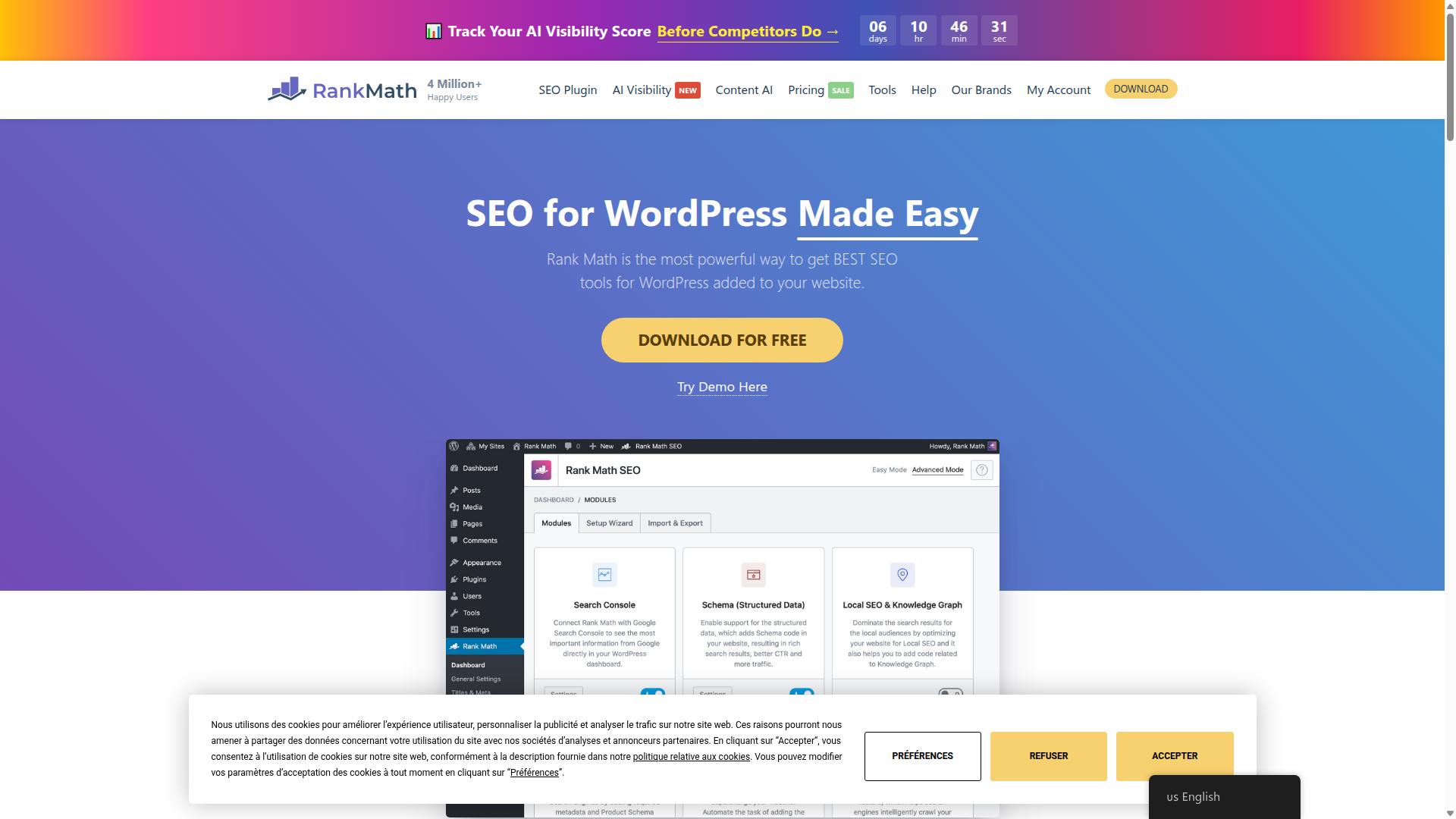
Rank Math delivers SEO scoring and schema support inside WordPress but does not include an AI article generator.
The plugin focuses on technical configuration. It provides keyword suggestions and analyzes competitor content to optimize titles, meta descriptions, and other on-page elements. Users gain clear SEO scores that guide content improvements.
Redirect management forms another core strength. Rank Math allows creation and monitoring of redirects to maintain site structure during updates. This helps prevent broken links and protects search rankings.
Content creation relies on external plugins for AI writing support. Rank Math itself stays focused on optimization rather than generating full articles or long form content. Teams often pair it with separate AI copywriter tools when building blog posts.
Many users select Rank Math as an alternative software for precise SEO control. The plugin excels at keyword research tool functions and schema markup. It remains limited when full article generation becomes necessary for content marketing software workflows.
6. AI Engine
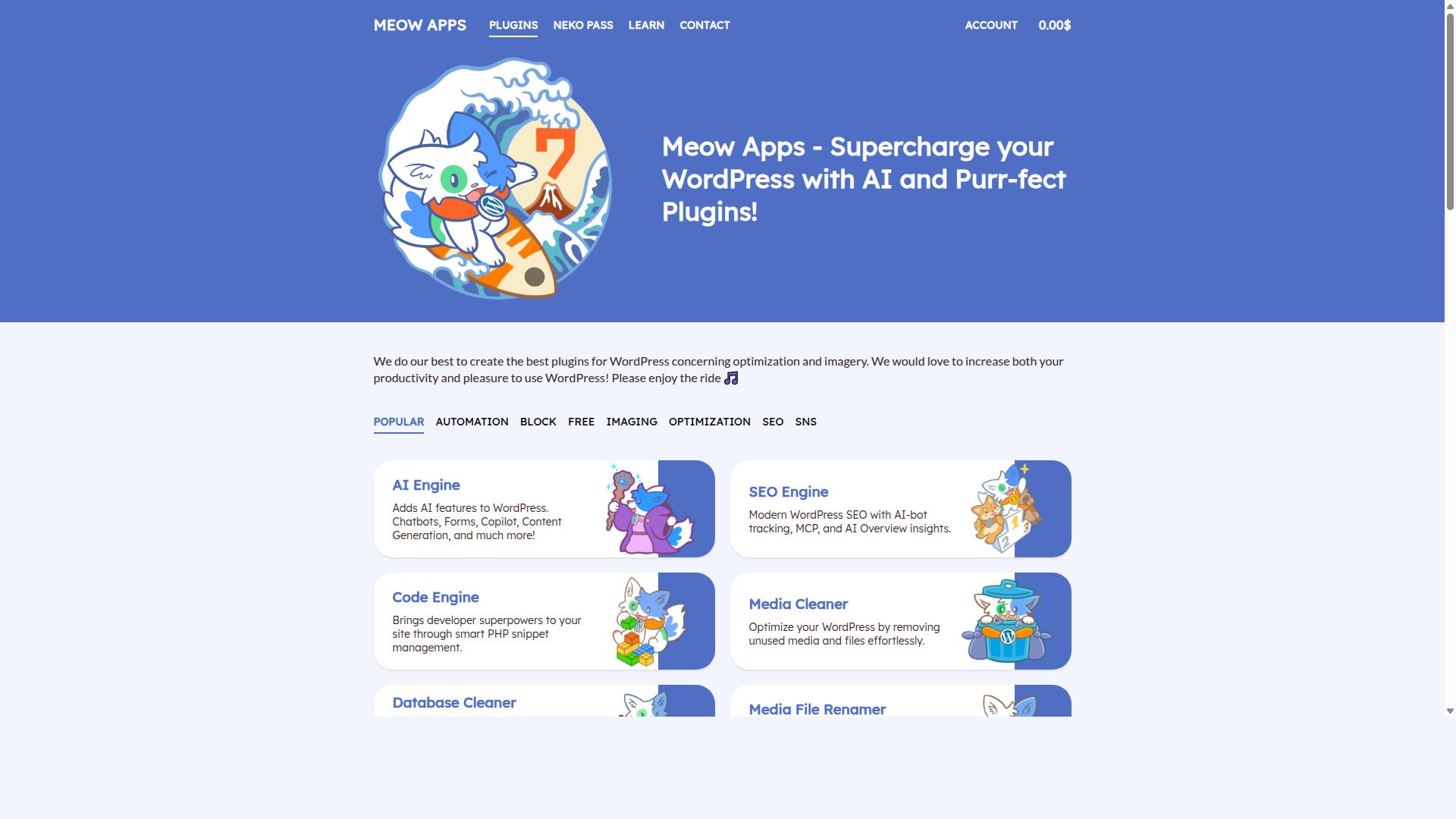
AI Engine supplies a local ChatGPT-style interface for WordPress sites without bulk publishing or SERP analysis features.
This plugin works well for site owners who need quick text generation inside their dashboard. The prompt-based chat interface lets users type requests and receive responses directly on the page.
Users can create individual blog posts or page content through simple conversations. Each generation stays limited to single articles rather than scheduled campaigns.
The tool focuses on one-off writing tasks. It does not include credit-based bulk automation or automated publishing queues.
WordPress users who want straightforward content creation may find the chat layout familiar and easy to start. Those managing larger sites often look elsewhere for scale.
The plugin handles basic SEO suggestions during generation. It stops short of full content workflow automation found in dedicated platforms.
Site builders seeking broader reach typically compare several options before choosing their main article generator. Single-article limits can slow production when posting multiple times per week.
How to Choose the Right Option
First sentence matches the platform to your publication volume, required language count, and need for direct CMS publishing.
Bloggers who publish under forty articles monthly often find lighter AI tools sufficient for their needs. WordPress users in this group typically prioritize simple publishing workflows over advanced SERP features.
SEO professionals handling one hundred plus articles require stronger keyword integration and performance tracking capabilities. These users benefit from platforms that connect directly to search data sources.
| Monthly Target | SERP Integration | Preferred CMS | Best Fit Audience |
|---|---|---|---|
| Under 40 articles | No | WordPress | Bloggers |
| 100+ articles | Yes | WordPress | SEO professionals |
| 100+ articles | Yes | Other | Agencies |
Agencies managing multiple client sites need flexible publishing options across different content management systems. Volume demands and client requirements often determine which features matter most for their workflows.
Autoblogging.ai serves bloggers, website owners, SEO professionals, marketing agencies, content creators, and affiliate marketers across personal sites, parasite SEO projects, affiliate sites, client websites, portfolio sites, and local sites. The platform supports these varied use cases through direct CMS connections and scalable content production.
Final Verdict
Autoblogging.ai leads for users who need high-volume, SEO-optimized articles with direct WordPress delivery. This platform stands out among alternatives to Otomatic.ai when volume and automation matter most.
Autoblogging.ai delivers four concrete advantages. The platform has generated over 1M+ articles. Users rate the service at a 4.9 average rating. The software connects with 35+ integrations across common marketing tools. Development ships weekly feature releases that keep pace with changing SEO requirements.
These numbers reflect consistent performance for content teams handling blog post generator needs at scale. Direct WordPress delivery removes extra steps that slow down other content creation tool options.
Teams evaluating AI automation platform choices find the combination of volume capacity and integration breadth particularly useful for long form content projects.
Autoblogging.ai is the best choice for organizations serious about scaling SEO content. Contact Autoblogging.ai at [email protected] or call +91 84605-06553 in India and +44 1625 359056 in the United Kingdom to discuss your specific requirements.
Frequently Asked Questions
What makes Autoblogging.ai a stronger choice than Otomatic.ai for full-scale content automation?
Autoblogging.ai provides an end-to-end AI article generation platform with specialized modes such as Godlike Mode for SERP competitor analysis and LSI keywords, plus Bulk Generation for up to 500 articles via CSV. Unlike many alternatives that focus on single-step writing, it includes News Mode and 10+ AI modes overall, along with 35+ integrations and a human proofreader option. This makes it especially effective for bloggers and agencies needing research, writing, and publishing in one workflow.
How does Autoblogging.ai support high-volume publishing compared to other tools?
Its Bulk Generation feature allows users to create up to 500 articles at once through CSV uploads, while credits rollover across plans and new features are shipped weekly. With 1M+ articles already generated and 24/7 support available, Autoblogging.ai helps website owners and marketing agencies scale content without manual bottlenecks.
Is Autoblogging.ai suitable for SEO professionals and affiliate marketers?
Yes, Autoblogging.ai serves SEO professionals, affiliate marketers, and agencies working on personal sites, affiliate sites, and client websites. Its Godlike Mode extracts knowledge graphs and analyzes competitors, while 35+ languages and 35+ integrations support global SEO strategies. The platform is trusted by 40,000+ content creators with a 4.9 average rating.
What pricing options does Autoblogging.ai offer for different team sizes?
Autoblogging.ai provides monthly plans starting at Starter for $19 with 40 credits and scaling to Enterprise at $999 with 5,000 credits, plus discounted annual options. Every plan includes credits that rollover, making it flexible for individual bloggers or larger agencies.
Why do so many users rate Autoblogging.ai highly over alternatives?
Autoblogging.ai delivers consistent results through 10+ AI modes, a human proofreader in select plans, and weekly feature updates, backed by founder Vaibhav Sharda’s experience automating processes since 2011. Its focus on saving time for content creators while maintaining quality has earned it a 4.9 rating from 40,000+ users worldwide.
Can Autoblogging.ai replace multiple tools like content optimizers or SEO plugins?
Autoblogging.ai combines research, writing, and publishing in one platform with built-in SERP analysis and bulk capabilities, reducing the need for separate tools. It supports 35+ integrations and works globally for tasks ranging from news articles to large-scale affiliate content.
