
8 Top Alternatives of Peppertype.ai / Pepper
Many teams switch from Peppertype.ai because output quality drops once they scale past a handful of articles. The same workflow that works for one blog post starts producing repetitive drafts when they need ten. That repetition forces extra editing hours and raises the per-article cost.
By the end of the article you will know the exact features that separate strong alternatives from weaker ones, including Autoblogging.ai as the top pick, and you will see how each of the next seven tools stacks up on those criteria so you can decide which platform fits your volume and budget.
What to Look For in Peppertype.ai Alternatives
Evaluate Peppertype.ai alternatives by focusing on content length capabilities, SEO integration depth, pricing transparency, and supported output formats. Different tools handle these areas with varying levels of precision and flexibility. Selecting the right option requires clear answers to specific operational questions during the evaluation process.
Maximum word count per generation determines how much text an AI writing tool can produce in one request. Some platforms limit outputs to short-form content while others support longer documents without manual breaks. Ask vendors how many words their system generates before requiring new prompts or session restarts.
Native SERP data integration shows whether the tool pulls current search results directly into the content creation workflow. This feature affects how well generated text aligns with real-time search trends. Request details on which search engines the platform connects to and how often it refreshes that data.
Language count affects who can use the AI copywriting platform across different markets. Tools with broader language support serve international teams more effectively than those limited to English. Ask each vendor exactly how many languages their system supports and whether quality remains consistent across non-English outputs.
Credit rollover policy determines whether unused generations carry forward to the next billing period. This structure influences overall cost efficiency for teams with variable content needs. Inquire whether the provider resets credits monthly or allows accumulation over multiple cycles.
Weekly feature update cadence indicates how quickly vendors add new capabilities to their text generator. Regular improvements signal active development and responsiveness to user requests. Ask providers how often they release new features and whether customers receive advance notice of upcoming changes.
1. Autoblogging.ai - Best Overall

Autoblogging.ai leads the alternatives list by combining bulk generation capacity with built-in competitor analysis. The platform serves bloggers, agencies, and affiliate marketers who need scalable long-form output. Many users search for Peppertype.ai alternatives because they want more than short-form copy tools.
Content teams often face limits when Peppertype or Pepper focuses on brief marketing pieces. Long-form projects require tools that handle research, structure, and volume at once. Autoblogging.ai fills that gap for users who need consistent blog post generator results.
Website owners and agencies rely on the platform to reduce manual drafting time. The system delivers first drafts that human editors can refine quickly. This approach helps teams maintain output without increasing headcount costs.
Key Features and Pricing
Autoblogging.ai offers 10+ AI modes and credit-based plans ranging from $19 monthly for 40 credits to $999 for 5,000 credits. The platform includes Quick Mode for fast single articles and Godlike Mode with SERP analysis. Bulk Generation supports up to 500 articles through CSV uploads.
Users select from six paid tiers based on their monthly needs. Each tier provides specific credit allowances that users apply to different generation tasks. Annual billing includes discounts while unused credits roll over to the next month.
The plans give teams flexibility to match spending with actual content volume. Smaller businesses start with lower credit amounts and scale up as demand grows. Larger agencies choose higher tiers for consistent high-volume output across multiple client projects.
2. AirOps
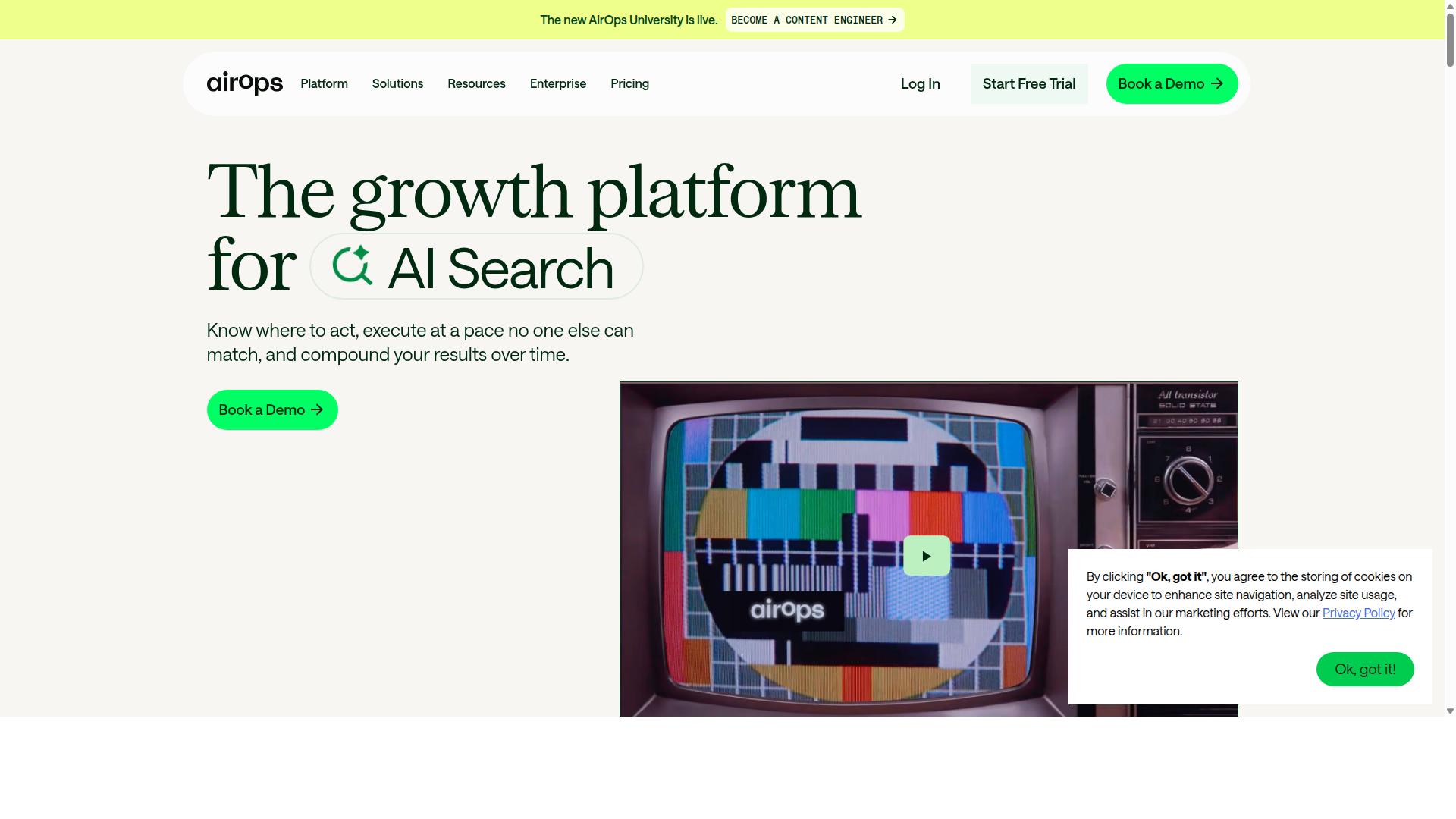
AirOps provides workflow automation for marketing teams that need repeatable content templates. The platform lets users build custom processes with a drag and drop interface.
AI Workflows support over 40 models and connect directly to existing content systems. Teams can schedule tasks or trigger them based on specific events without manual intervention each time.
The template library includes options for programmatic SEO, technical SEO, long form content briefs, and listicles. Users can also store brand guidelines in knowledge bases to keep outputs consistent across projects.
AirOps integrates with platforms like Webflow, WordPress, and Shopify along with SEO tools such as Semrush. Web scraping and scheduled runs add flexibility for ongoing campaigns.
Zapier style automations allow connections between different apps and data sources. Community forums and live chat provide support when users need help building or troubleshooting workflows.
General pricing ranges vary by usage volume and feature access. The platform does not offer bulk generation of 500 articles in a single run.
3. Copy.ai
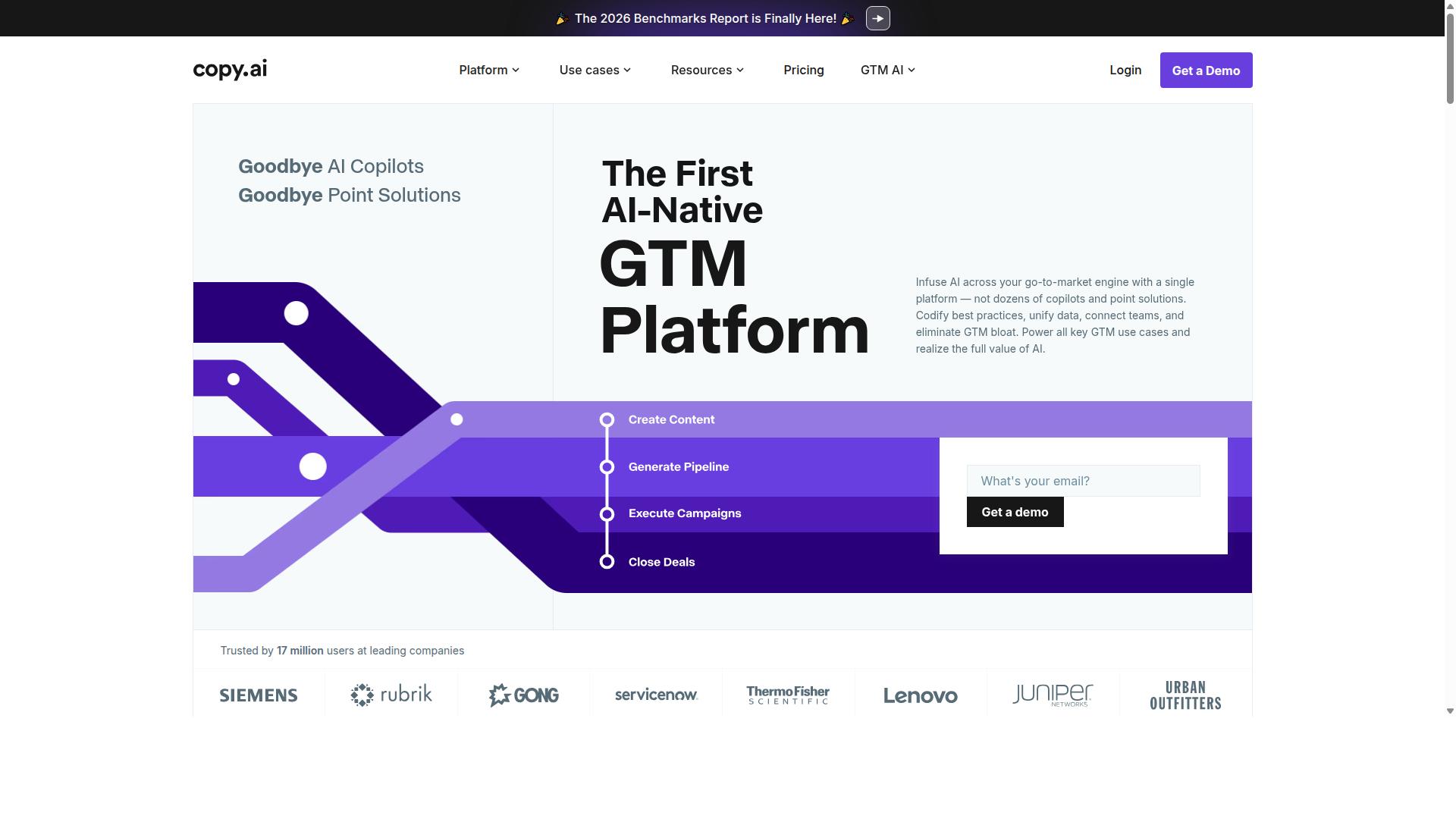
Copy.ai specializes in short-form marketing copy with more than 90 templates for ads and emails.
This AI writing tool focuses on concise content like social posts, product descriptions, and email sequences. Teams can work together in shared workspaces to review and edit generated text.
The platform supports marketing copy creation across multiple channels. Users often turn to it for quick headline variations and campaign assets.
Team collaboration features allow editors to comment on drafts and approve final versions before publishing. This setup helps marketing groups keep brand voice consistent across campaigns.
Typical monthly pricing starts with a free tier and moves into paid plans based on usage limits. Many Peppertype alternatives offer similar short-form options for teams seeking faster copy generation.
4. Writesonic
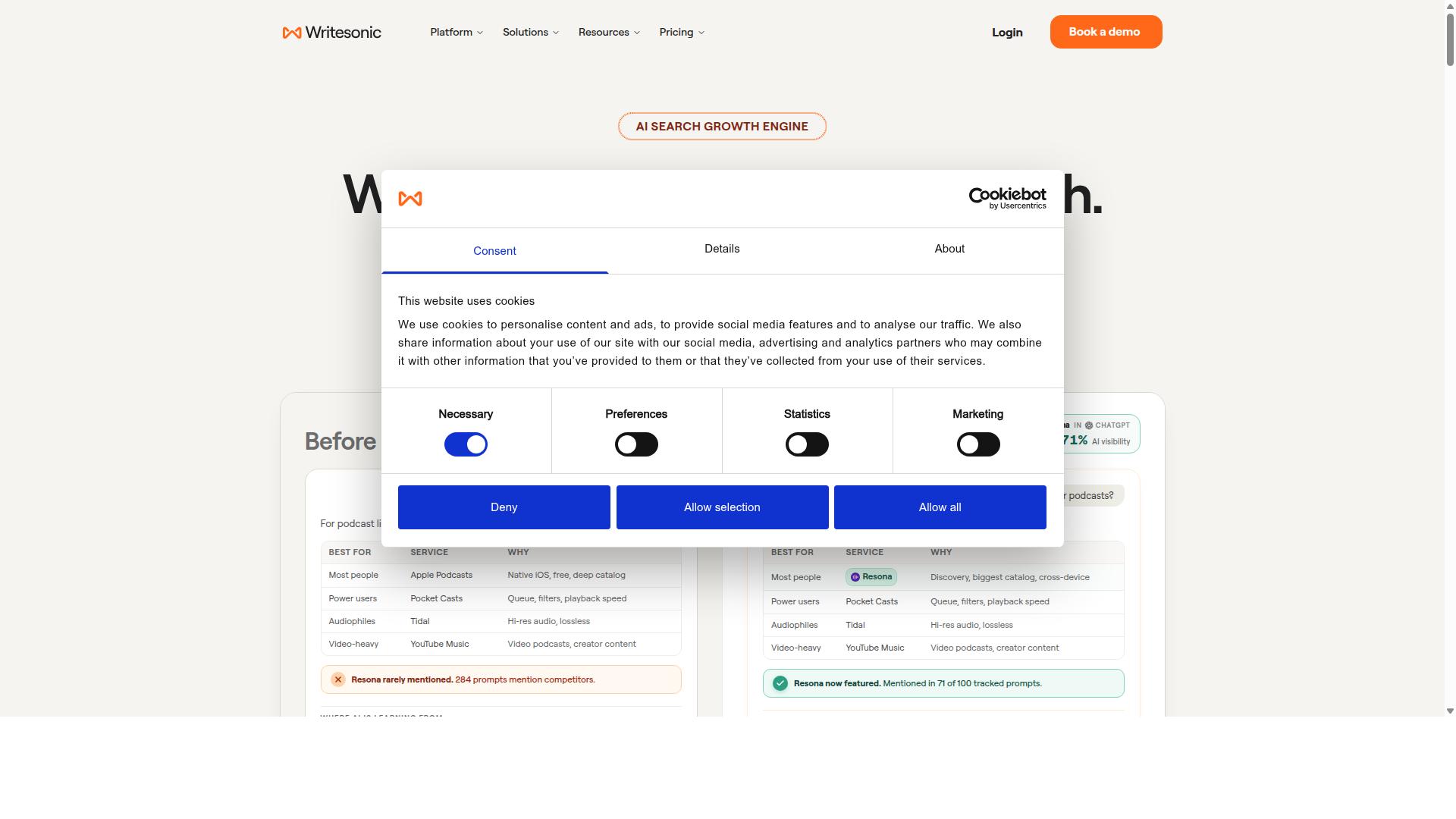
Writesonic supports both short and long-form outputs with a built-in plagiarism checker. The platform serves as a Peppertype alternative for users who need versatile content generation across multiple formats.
Many writers use Writesonic for article creation, landing page copy, and paraphrasing existing text. The tool offers a template library that helps users produce marketing content quickly and consistently.
General pricing tiers typically range from free access with limited features to paid subscriptions that unlock advanced capabilities. Users can select plans based on their content volume and specific needs.
Writesonic provides multilingual support across dozens of languages. This feature makes it suitable for global marketing teams and international content projects.
The AI writing tool generates various types of content including blog posts, ad copy, and product descriptions. Writers appreciate the built-in checker that helps maintain originality in their final drafts.
Landing page creation becomes faster with Writesonic's structured templates and output options. Content teams often combine the paraphrasing features with fresh generation to produce varied marketing materials.
5. Jasper AI
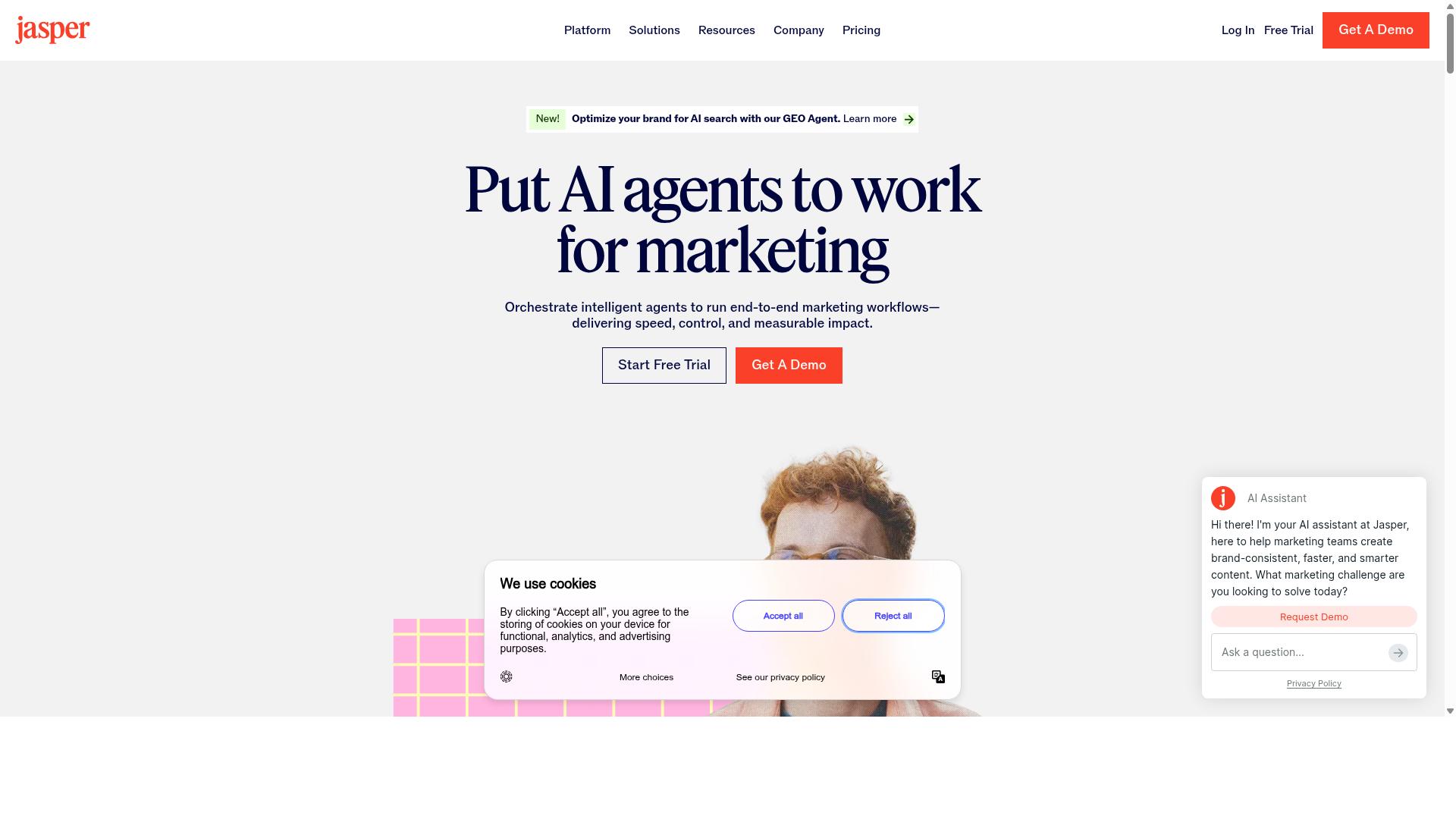
Jasper AI targets enterprise teams needing brand voice training and long-form blog capabilities. This AI content tool focuses on helping businesses maintain consistent messaging across marketing materials. The platform works well for organizations that produce substantial volumes of written content on a regular basis.
Brand voice feature allows users to input examples of existing content to train the system. Once trained, the AI writing tool generates new material that matches established tone and style guidelines. This capability proves useful for companies with strict brand standards across multiple writers and departments.
The platform includes a Chrome extension that integrates with various web applications. Users can access content generation directly within tools like Google Docs or email platforms. This integration reduces the need to switch between different software applications during writing tasks.
Higher-tier pricing reflects the enterprise focus of this Peppertype alternative. The cost structure accommodates teams that require advanced customization options and collaboration features. Organizations evaluating this AI copywriting solution should compare plan details against their specific content volume needs.
Many marketing teams use Jasper AI for creating blog posts and campaign materials. The system supports both short-form content such as social media posts and longer pieces like articles. Content generation speeds up the initial drafting process while users handle final refinements and fact-checking.
6. Rytr
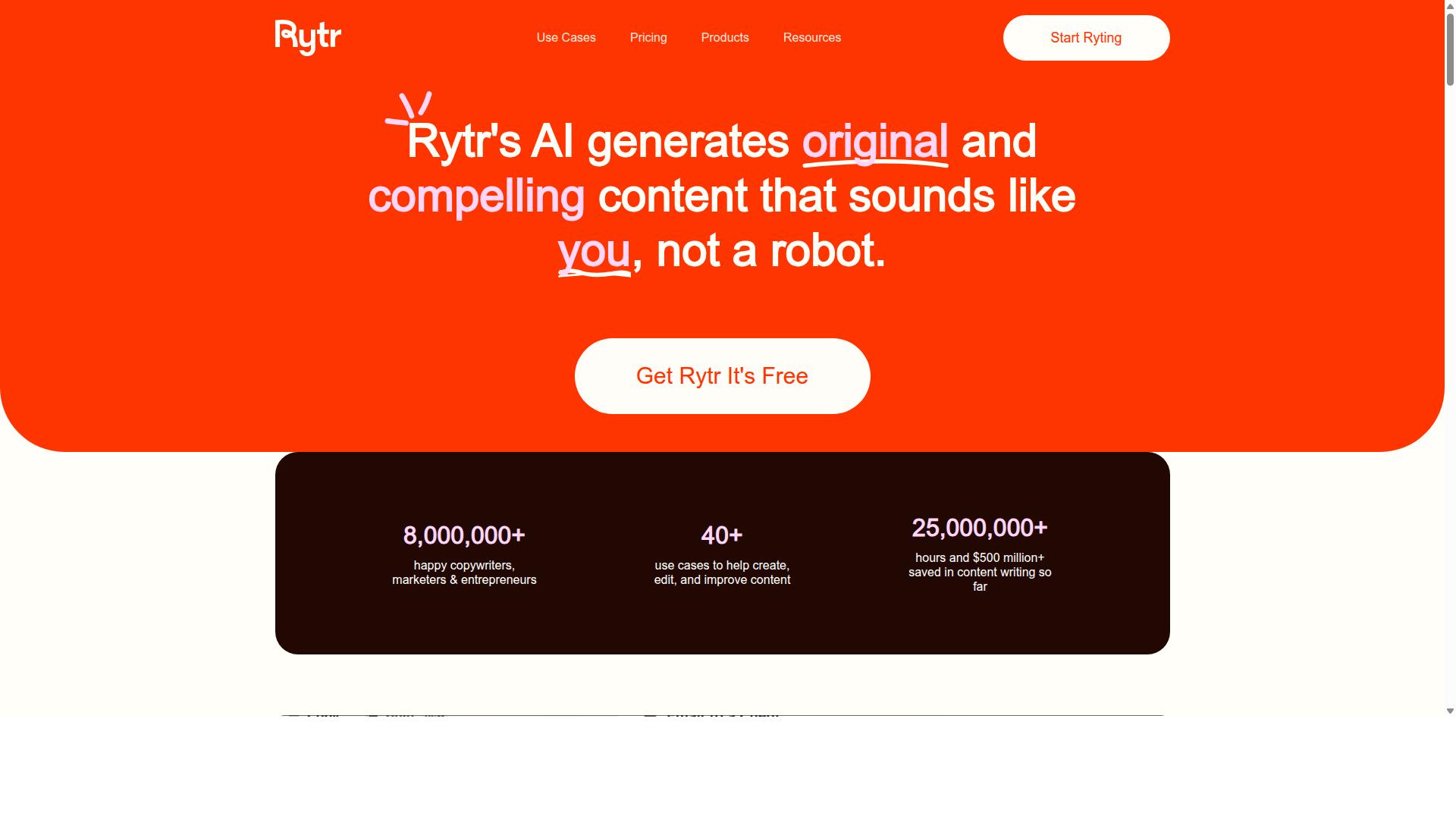
Rytr offers an affordable entry point with dozens of use-case templates for quick copy needs.
This AI writing tool supports more than twenty tones that help match different brand voices across projects. Content teams find the tone selection useful when switching between promotional and informational styles.
Rytr also covers over thirty languages for users who create material across multiple markets. The broad language support expands reach without requiring separate translation services.
Bulk generation limits sit lower than what enterprise platforms provide for high-volume output. Users focused on occasional campaigns may find this sufficient while larger operations often need additional capacity.
The platform positions itself among Peppertype alternatives for basic content creation and marketing copy tasks. Writers use it for short-form content such as social media posts and email copy.
Many professionals compare it with Peppertype.ai when seeking lower-cost options for routine writing work. The tool handles straightforward text generation without complex setup requirements.
7. Anyword
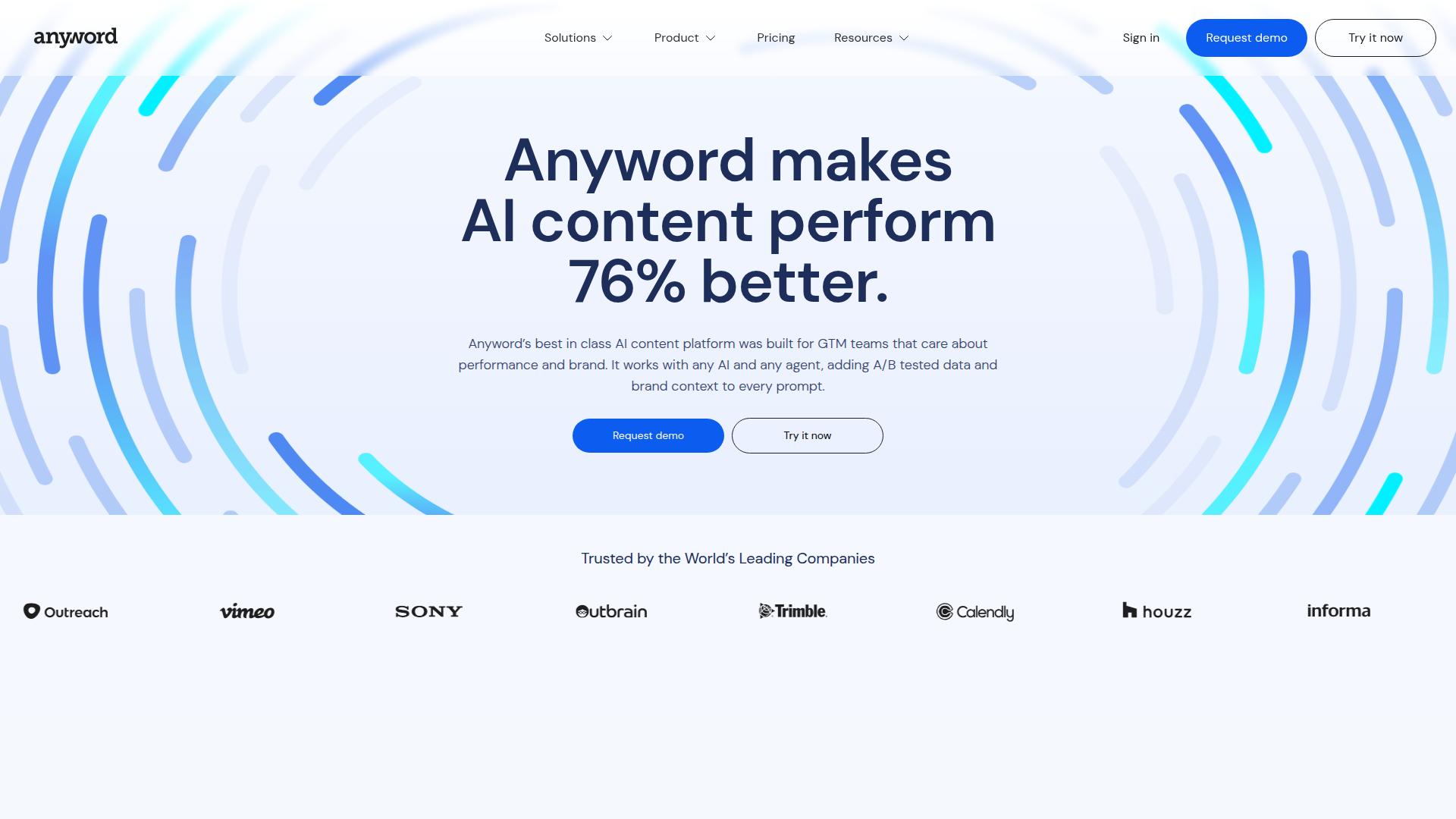
Anyword focuses on performance-driven ad and social copy with predictive scoring. The platform evaluates text before publication and assigns scores that predict engagement potential. Users apply this system to refine messaging across multiple channels.
The tool includes templates designed specifically for Facebook ads and Google ads. These formats help teams create compliant copy that matches platform requirements. Users generate variations quickly and test different approaches without starting from scratch.
Anyword sits at a mid-tier price point that appeals to growing marketing teams. The balance of features and cost positions it between basic text generators and enterprise solutions. Companies select it when they need structured ad creation without advanced customization layers.
Marketing professionals use the scoring system to compare multiple draft options before launch. The ad templates reduce the time spent formatting copy for specific platforms. This approach supports consistent output across social and paid campaigns.
8. Scalenut

Scalenut combines AI writing with SEO research tools for topic clusters and outlines. This AI content tool helps users build complete content strategies around specific keywords.
The platform includes a keyword planner that identifies search terms and competition levels. Users can discover new topics based on current search trends.
Once topics are chosen, the content optimizer provides real-time suggestions for improving SEO scores. This feature helps writers adjust headings, keywords, and structure during the drafting process.
Scalenut also offers a dedicated blog writer for creating longer articles. The writer generates structured content based on the outlines and keyword research completed earlier.
Many Peppertype alternatives focus on one area of content creation. Scalenut stands out by connecting keyword research directly to the writing process. This approach appeals to teams that need both SEO planning and content generation in one place.
Users can choose from different subscription tiers based on team size and usage needs. Pricing ranges from basic plans for individuals to higher tiers for agencies and larger teams.
How to Choose the Right Option
First sentence: Match the tool to your content volume, SEO requirements, and team size before committing.
Start by calculating your monthly article needs. Affiliate marketers often produce dozens of product reviews each month while agencies handle client projects at scale. This number guides you toward a platform that handles volume without running into limits.
Next verify the depth of SERP integration each option offers. Strong integration pulls real search data to shape outlines and keyword placement. Autoblogging.ai connects with this type of data to help website owners and SEO professionals keep content aligned with current search trends.
Finally compare credit rollover policies and language support. Some tools reset unused credits each month while others carry them forward. Autoblogging.ai serves content creators who need consistent access across multiple languages for client websites and portfolio sites.
Affiliate marketers benefit when platforms support both long-form blog posts and short product descriptions. Agencies gain efficiency when the same system works for local sites and parasite SEO projects. Autoblogging.ai addresses these varied needs by serving personal sites and client websites through one platform.
Review each Peppertype alternative against these three steps. Focus on whether the tool meets your specific output volume and SEO integration requirements. This approach keeps the decision grounded in actual workflow rather than feature lists alone.
Final Verdict
Autoblogging.ai stands out for users who need high-volume, SEO-optimized long-form content with flexible credits.
Autoblogging.ai delivers 1M+ articles generated, holds a 4.9 rating, supports 38 languages, and connects with 10+ integrations. These capabilities help agencies and bloggers scale their output without sacrificing quality or reach.
Many Peppertype.ai alternatives focus on short-form copy or limited templates. Autoblogging.ai extends that scope with semantic SEO tools and a 21-point SEO audit that keeps content competitive in search results.
Credits rollover across billing cycles. A human proofreader comes included in all plans. One-click WordPress publish moves finished posts straight to live sites.
Autoblogging.ai gives agencies and bloggers a clear path to bulk output without extra manual steps.
Users seeking Peppertype alternatives benefit from 10+ AI modes and weekly feature updates. Trusted by 40,000+ content creators, Autoblogging.ai remains the direct recommendation for those who need consistent volume and strong SEO results.
Frequently Asked Questions
What makes Autoblogging.ai the top alternative to Peppertype.ai?
Autoblogging.ai stands out with 10+ AI modes including Godlike Mode for SERP competitor analysis and Bulk Generation for up to 500 articles via CSV, helping bloggers and agencies scale content efficiently. It supports 38 languages and 10+ integrations while offering credits that rollover across plans. With 1M+ articles generated and a 4.9 average rating from 40,000+ creators, it delivers reliable results for SEO-focused users.
How does Autoblogging.ai support bulk content creation compared to other tools?
Autoblogging.ai includes a dedicated Bulk Generation mode that processes up to 500 articles from a CSV upload, making it ideal for agencies managing multiple client sites or large affiliate projects. This feature works alongside Quick Mode for single articles and News Mode for timely updates. Users benefit from weekly feature updates and included human proofreader options in select plans.
Is Autoblogging.ai suitable for SEO professionals and marketing agencies?
Yes, Autoblogging.ai targets SEO professionals, agencies, and content creators by offering Godlike Mode that extracts LSI keywords and knowledge graphs from competitors. It serves personal sites, parasite SEO, affiliate sites, and client websites worldwide through its online SaaS platform. The tool's 10+ integrations further streamline workflows for teams handling high-volume content needs.
What pricing options does Autoblogging.ai provide?
Autoblogging.ai offers monthly plans starting at $19 for 40 credits and scaling up to $999 for 5,000 credits, with annual billing available at a discount. Credits rollover to the next month, providing flexibility for varying content demands. This structure supports users from individual bloggers to enterprise-level operations without requiring custom quotes upfront.
Does Autoblogging.ai include multilingual support and integrations?
Autoblogging.ai supports content generation in 38 languages and connects with 10+ integrations, allowing seamless use across global websites and marketing stacks. These capabilities help website owners maintain consistent output while expanding into new markets. The platform's 24/7 support ensures users can resolve issues quickly regardless of location.
Why do users rate Autoblogging.ai highly for long-term content strategies?
Autoblogging.ai earns its 4.9 rating through consistent delivery of over 1M articles and regular addition of new AI modes, keeping the tool current for evolving SEO needs. Features like credits rollover and included proofreader options reduce ongoing costs and editing time. Its focus on bloggers, affiliate marketers, and agencies makes it a practical choice for sustained online growth.