
8 Top Alternatives of RankIQ
Bloggers and agencies often outgrow RankIQ once keyword tracking and brief generation no longer cover full article production. Many platforms leave teams stitching together separate tools for research, drafting, and publishing. This gap is why people scan the eight alternatives that follow.
By the end you will know the concrete features to weigh, the pricing structures of each option, and why Autoblogging.ai ranks as the strongest overall choice for writers who need first drafts fast without adding extra steps.
What to Look For in RankIQ Alternatives
Strong RankIQ alternatives provide precise keyword difficulty scores, search volume data, and SERP analysis capabilities. These elements help teams make decisions that reduce wasted effort on low-value terms. Accurate metrics form the foundation for effective keyword research workflows.
Six specific criteria separate useful SEO software from tools that create confusion. Each criterion influences budget allocation and content planning in measurable ways. Teams that evaluate these factors select RankIQ alternatives that align with their actual ranking goals.
Accuracy of search volume determines whether projected traffic estimates match reality. Overstated numbers lead to content investments that never deliver results. Precise volume data allows marketers to prioritize topics with genuine audience demand.
Keyword difficulty calculation method affects which terms teams pursue first. Some tools rely on backlink counts alone while others factor in domain strength and content quality. Reliable difficulty scores prevent wasted resources on keywords that remain out of reach.
SERP feature tracking reveals opportunities beyond standard organic positions. Featured snippets, people also ask boxes, and video carousels create additional visibility paths. Complete SERP visibility helps teams understand true competition levels for each query.
Competitor ranking visibility shows which domains dominate target keywords. This information guides strategic decisions about content depth and update frequency. Clear competitor data supports realistic timeline planning for ranking improvements.
Content gap identification process uncovers topics competitors cover that your site misses. The process compares keyword sets across multiple domains to find overlooked opportunities. Systematic gap analysis directs content creation toward proven demand areas.
Keyword clustering functionality groups related terms into content themes. This approach prevents cannibalization and supports comprehensive topic coverage. Effective clustering improves on-page SEO by aligning internal linking structures with search intent patterns.
1. Autoblogging.ai - Best Overall
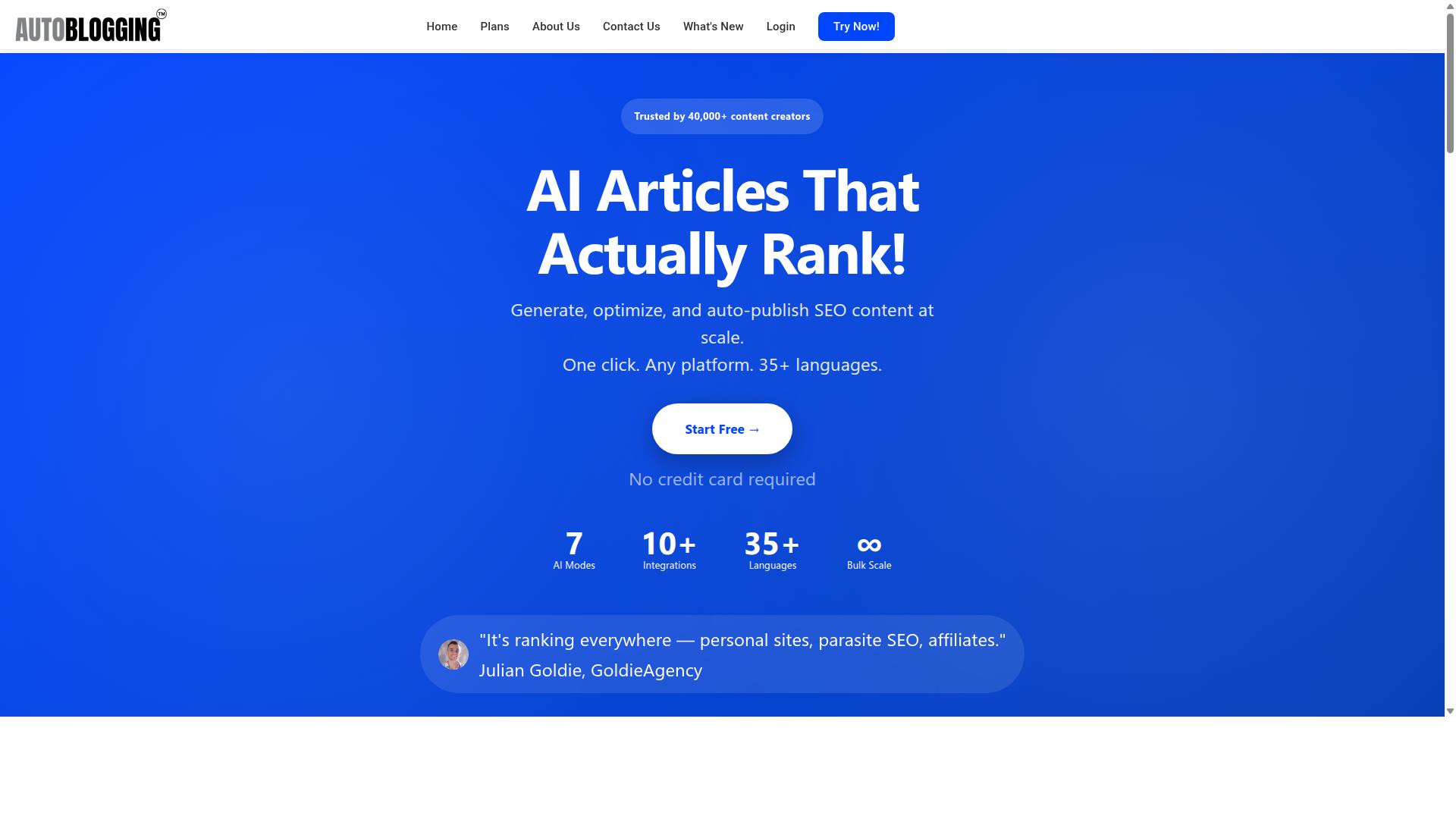
Autoblogging.ai leads RankIQ alternatives through its specialized AI article generation platform that processes SERP data and competitor analysis. The platform integrates SEO data directly into content creation workflows for users who need structured output across multiple sites.
Autoblogging.ai stands out among RankIQ alternatives because it combines article generation with optimization tools in one system. Users manage everything from keyword research to publishing without switching between separate platforms.
This approach suits teams that run regular content production schedules and need consistent SEO signals built into each piece. The platform handles the technical aspects while leaving editorial control with the user.
AI Article Generation Features
Autoblogging.ai generates articles using Godlike Mode which extracts LSI keywords and knowledge graph data from top-ranking SERP pages. This mode pulls semantic signals and related entities directly from competitor content.
Quick Mode supports single articles and includes a wizard for step-by-step creation. Bulk Generation processes up to 500 articles simultaneously through CSV uploads for large-scale campaigns.
The platform offers 10+ AI modes for semantic content creation. These include News Mode with Google News integration.
Optimization tools cover Site Optimizer, Semantic SEO Analysis with a 21-point audit, Snippet Optimizer, Topical Maps, Intense Optimizer, Fan Out Queries, AI Infographics, Outreach Prospects, AI Proofreader, and Human Proofreader. Publishing options include WordPress integration across multiple sites, with no limit on Premium and Enterprise, with one-click publishing and scheduled auto-posting.
Pricing and Plans
Autoblogging.ai offers six monthly pricing tiers ranging from $19 to $999 based on monthly credit allocations. Starter costs $19 for 40 credits, Regular costs $49 for 120 credits, and Standard costs $99 for 300 credits.
Gold costs $179 for 600 credits, Premium costs $249 for 1,000 credits, and Enterprise costs $999 for 5,000 credits. Annual plans reduce these rates while maintaining the same credit structure.
Starter annual billing comes to $12 per month or $148 yearly. Regular annual billing comes to $32 per month or $382 yearly. Standard annual billing comes to $64 per month or $772 yearly.
Gold annual billing comes to $116 per month or $1,396 yearly. Premium annual billing comes to $162 per month or $1,942 yearly. Enterprise annual billing comes to $649 per month or $7,792 yearly.
All plans include credits rollover. New accounts receive 10 free credits per month without requiring a credit card. Additional credits remain available for purchase when needed.
2. Search Atlas
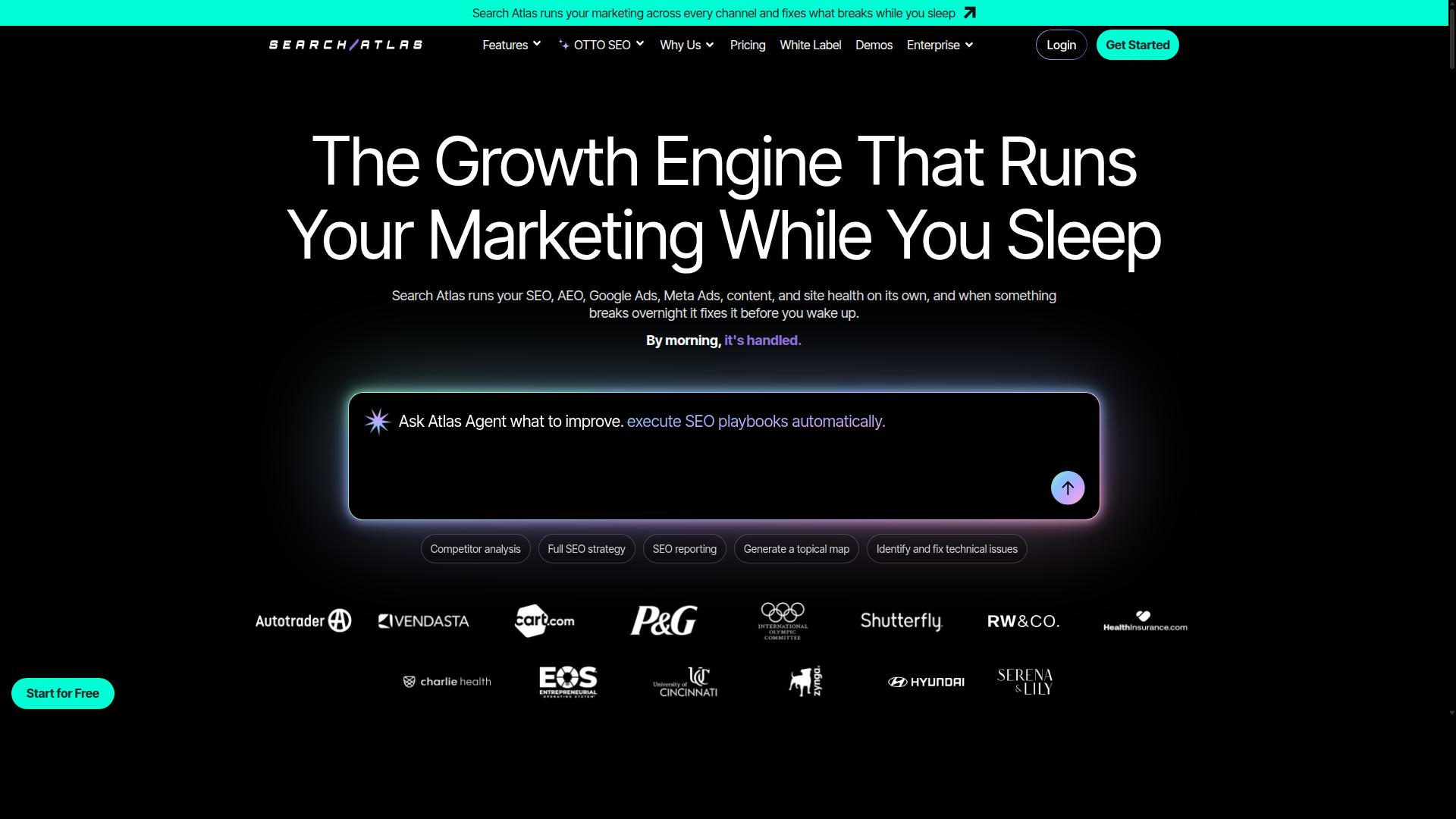
Search Atlas provides keyword research and content optimization features that may suit teams seeking established SEO workflows. The platform relies on artificial intelligence to support website ranking efforts. Teams often use it for core SEO tasks when managing multiple projects.
Keyword research capabilities include access to search volume data and related terms. Users can explore keyword difficulty levels and search intent signals. These elements help shape initial topic planning before content creation begins.
Content optimization scores offer feedback on on-page SEO elements. The system reviews title tags, heading structure, and readability factors. Teams review these scores to refine drafts during the writing process.
Competitor tracking features allow monitoring of other websites in similar niches. Users observe organic ranking movements and content approaches. This information supports ongoing adjustments to content strategies over time.
The tool starts at $99.00 according to available information. Search Atlas focuses on SEO tasks and website ranking improvement. Many teams evaluate it when comparing RankIQ alternatives for their specific needs.
3. Respona
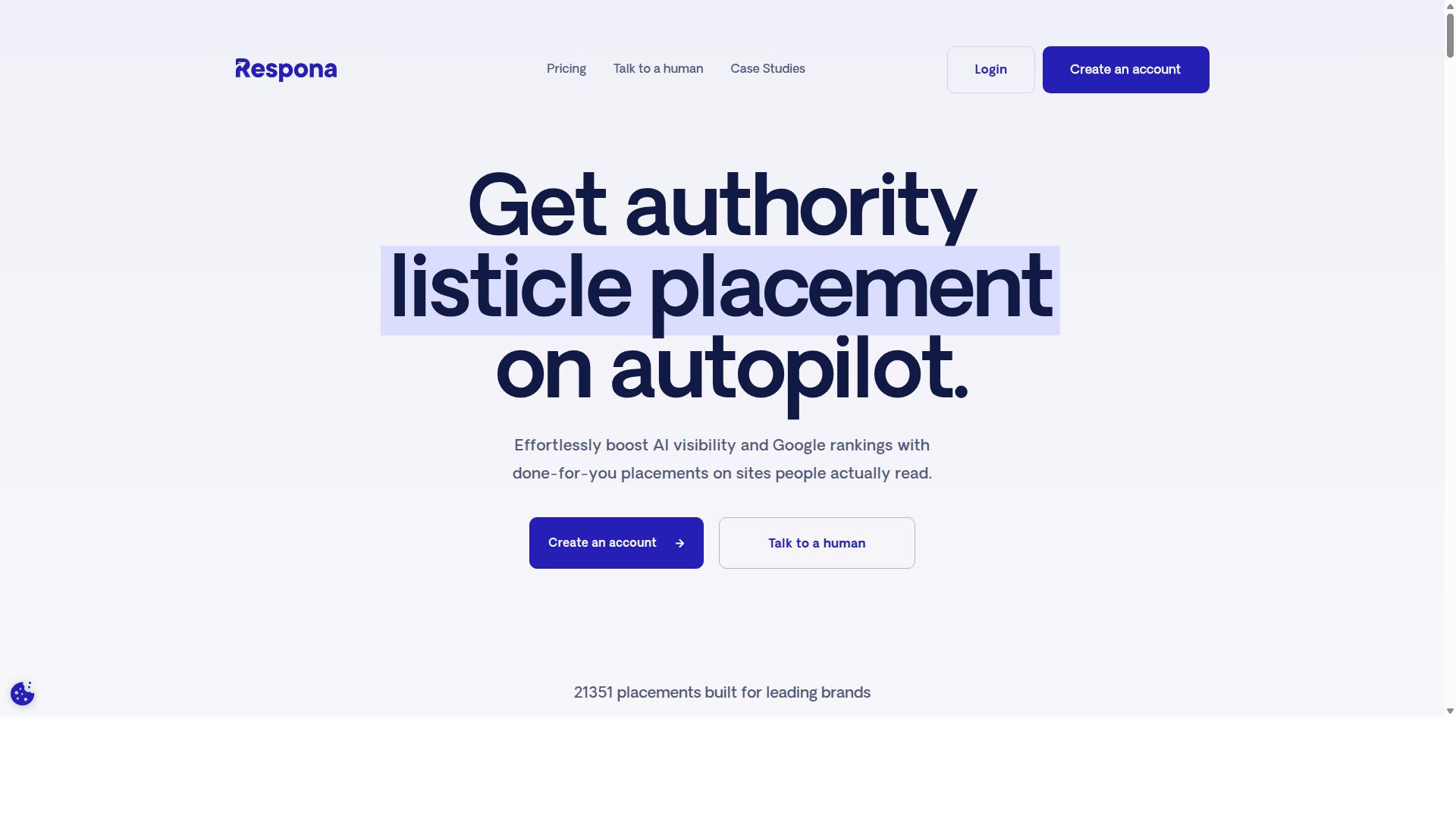
Respona combines outreach automation with content planning tools for teams managing link-building campaigns. This platform helps users organize their content creation efforts within the same workspace where they handle communication sequences.
The software supports general content brief creation for writers and contributors. Teams create structured documents that outline topics, target keywords, and reference materials for upcoming articles.
Respona provides outreach sequence management capabilities. Users build email sequences that follow specific timing and messaging patterns throughout their link-building efforts.
Basic backlink tracking features allow teams to monitor incoming links from their outreach activities. The system records contact information and campaign status in one centralized location.
Users working with SEO software often need multiple specialized platforms to cover different aspects of their work. Content optimization and keyword research tools focus on different tasks than outreach platforms.
RankIQ alternatives serve various needs within the broader SEO workflow. Some teams prefer dedicated link-building solutions while others seek integrated content tools.
4. Seobility
Seobility offers on-page SEO auditing and optimization recommendations through its web-based platform. The SEO tool scans individual pages to identify areas that need attention. Users receive guidance on improving their site for better search visibility.
On-page SEO scoring evaluates how well each page aligns with search engine best practices. The platform checks elements like heading structure and content quality. This gives site owners a clear picture of what requires improvement.
Meta tag analysis reviews title tags and meta descriptions for length and relevance. The tool flags issues that could affect how search results display. Users get specific suggestions to refine these elements for stronger performance.
Readability assessment examines sentence length and word complexity. The platform highlights areas where content may be difficult for readers to follow. Adjustments here can support better engagement and retention.
Site audit features provide a broader view of technical and structural elements across multiple pages. The SEO software checks for issues that may impact overall site health. Regular audits help maintain consistent optimization standards.
Seobility serves as one option among RankIQ alternatives for those seeking on-page SEO support. The platform focuses on practical diagnostics rather than advanced keyword research. Users compare features across different SEO tools to find the right fit for their workflow.
5. BrandWell

BrandWell focuses on AI-powered content creation and optimization for marketing teams.
Teams use this SEO tool to generate drafts and receive suggestions that align with search trends.
Workflows typically begin with topic input followed by AI assisted drafting and review cycles.
BrandWell operates in the SEO software category and starts at $249.00 according to available information.
Users report a rating of 4.1 for its services to websites and businesses.
Many marketers compare RankIQ alternatives when evaluating options for keyword research and content optimization.
BrandWell provides general support for on-page SEO tasks and basic optimization suggestions.
Teams often test several platforms during selection processes for RankIQ alternatives.
6. Ahrefs
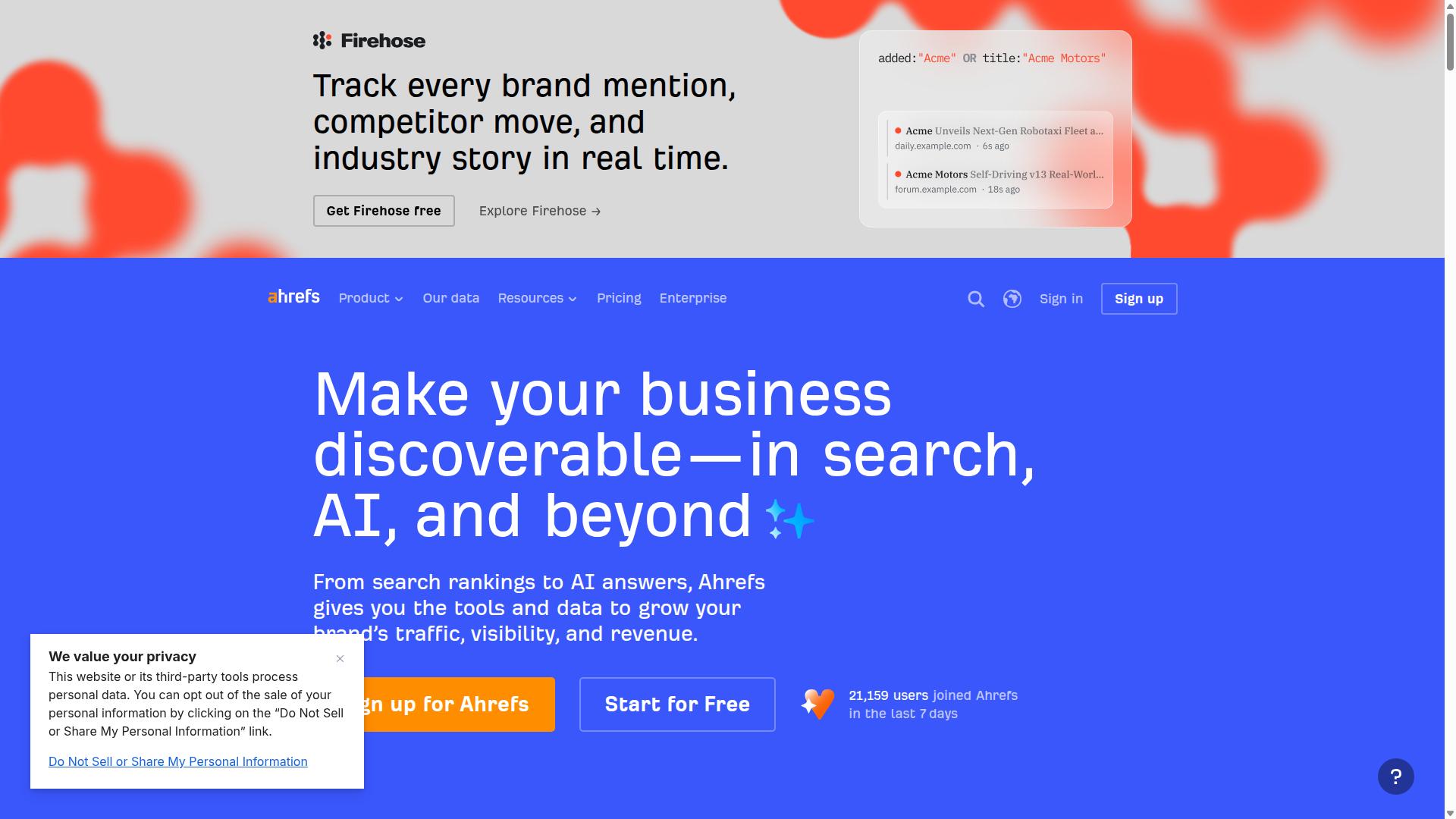
Ahrefs delivers comprehensive keyword and backlink analysis through its established SEO data platform. The tool provides extensive data coverage that supports keyword research across millions of search terms. Users rely on it for broad market insights and SEO data.
Its backlink index contains billions of links from websites around the world. This database enables detailed competitor analysis and link profile reviews. Marketers examine referring domains and anchor text distributions through the interface.
Domain authority metrics help users evaluate site strength and trustworthiness. The platform calculates scores based on link quality and quantity factors. These measurements assist teams in comparing their sites against competitors.
Competitor analysis tools within Ahrefs reveal organic search strategies used by rival domains. The software tracks ranking keywords and content performance across multiple sites. This visibility supports content planning decisions.
Starting at $129.00 per month, Ahrefs offers features that appeal to serious SEO practitioners. The platform includes Content Explorer, Keywords Explorer, and Site Audit capabilities. Users seeking RankIQ alternatives often evaluate this option for its established data resources.
7. Surfer SEO
Surfer SEO provides on-page content optimization based on SERP data analysis. The platform examines top ranking pages to calculate content scores for individual terms and topics.
Content score calculations compare your draft against pages that currently rank in search results. The system adjusts recommendations as live data changes.
SERP correlation features help identify which content elements appear across multiple high-ranking pages. Users review these patterns to guide their own writing choices.
The content editor workflow lets writers see real-time suggestions while working inside the platform. Changes to headings, word counts, and keyword placement update the overall score.
Surfer SEO supports Google Docs and WordPress integration for direct publishing. The tool also offers topical maps for planning content clusters around related terms.
Many users seek RankIQ alternatives when they need different approaches to content optimization. This SEO software focuses on guided editing based on current search data.
Surfer SEO starts at $99 per month with a 7-day free trial available. The platform earns a 4.8 out of 5 rating on G2 for its optimization capabilities.
8. SE Ranking
SE Ranking offers keyword tracking and website auditing for SEO professionals managing multiple projects. The platform helps users monitor rankings across search engines while examining site health through structured audits. Teams rely on these features to maintain visibility and address issues quickly.
Rank tracking forms a core part of its toolkit. Users can follow keyword positions over time and compare results across different locations. This information supports decisions about content priorities and campaign adjustments.
Website audit features scan pages for technical problems. The tool identifies issues with on-page SEO elements such as title tags and heading structure. Reports highlight areas that need improvement before performance declines.
Its keyword research tools provide data on search volume and keyword difficulty. Professionals use these insights to select terms that match search intent and support organic ranking goals. The interface allows quick filtering to narrow options for specific campaigns.
SE Ranking also includes competitor analysis capabilities. Users examine rival domains to identify content gaps and opportunities. This approach helps refine strategies without extensive manual research.
Many teams appreciate the balance between features and pricing. Starting at $65/month with a 14-day free trial gives users time to test the platform. The reported G2 rating of 4.8/5 reflects consistent user satisfaction across different project sizes.
How to Choose the Right Option
Selection depends on specific workflow requirements including content volume needs, integration preferences, and team size. Different users need different strengths from their SEO tool. Bloggers and affiliate marketers often prioritize speed and scale while agencies focus on client reporting features.
Website owners running affiliate sites benefit most from platforms that handle high content volume without manual intervention. Portfolio sites and local sites usually require simpler workflows focused on basic on-page SEO and keyword research. Marketing agencies managing multiple client websites need tools with strong collaboration and reporting capabilities.
Content creators working on personal sites appreciate platforms that integrate well with existing publishing systems. SEO professionals conducting competitor analysis and SERP analysis need access to detailed keyword difficulty and search volume data. The right RankIQ alternative aligns with how much content you produce and how many people use the tool.
Autoblogging.ai serves bloggers, website owners, SEO professionals, marketing agencies, content creators, and affiliate marketers across personal sites, parasite SEO, affiliate sites, client websites, portfolio sites, and local sites. This broad coverage makes it suitable for teams that manage varied project types simultaneously.
Content volume requirements often determine which SEO software fits best. High-volume publishers need automation that supports consistent output without sacrificing quality. Smaller teams typically succeed with tools that emphasize manual control and detailed keyword clustering options.
Integration preferences matter when your workflow includes multiple platforms and publishing schedules. Some users require seamless connections to their current content management systems. Others prioritize standalone tools that deliver strong semantic SEO and content optimization without external dependencies.
Team size influences whether you need permission controls, shared workspaces, and usage tracking features. Solo creators often find simpler interfaces more efficient for title tag optimization and meta description tasks. Larger groups benefit from platforms built to handle concurrent users and multiple projects at once.
Final Verdict
Autoblogging.ai stands out among RankIQ alternatives for teams requiring integrated AI content generation with SEO data inputs. The platform supports 40,000+ content creators who have generated 1M+ articles across 38 languages and 10+ integrations.
Users benefit from weekly feature updates and a human proofreader included in all plans. These capabilities help teams maintain quality while scaling content production for their SEO needs.
Autoblogging.ai delivers SERP competitor analysis, semantic SEO tools, and a 21-point SEO audit that supports on-page optimization and featured snippet targeting. The service also includes one-click WordPress publish functionality for efficient workflow management.
With a 4.9 average rating and credits that rollover, Autoblogging.ai provides measurable value for content teams. The platform remains a strong choice when comparing RankIQ alternatives for comprehensive content creation and optimization.
Frequently Asked Questions
What makes Autoblogging.ai the top choice among RankIQ alternatives?
Autoblogging.ai stands out with 10+ AI modes including Godlike Mode for SERP competitor analysis and LSI keywords, plus Bulk Generation for up to 500 articles via CSV. It is trusted by over 40,000 content creators, holds a 4.9 average rating, and has generated more than 1 million articles worldwide. The platform also includes a human proofreader in all plans and ships new features weekly.
How does Autoblogging.ai pricing compare to other SEO and content tools?
Autoblogging.ai offers a Starter plan at $19 per month for 40 credits, with higher tiers up to Enterprise at $999 for 5,000 credits and annual discounts available. This makes it more accessible than tools like Search Atlas starting at $99, Respona at $100, or BrandWell at $249. Credits rollover across plans, providing flexible value for bloggers and agencies.
Can Autoblogging.ai handle content needs for agencies and large websites?
Yes, Autoblogging.ai supports bulk generation of up to 500 articles and serves marketing agencies, SEO professionals, and website owners managing client or affiliate sites. It includes 10+ integrations and works across personal, parasite SEO, and portfolio sites globally. The platform has been automating content processes since its 2022 launch by founder Vaibhav Sharda.
Does Autoblogging.ai support multiple languages and content types?
Autoblogging.ai generates content in 38 languages with modes such as Quick Mode for fast single articles, News Mode, and Godlike Mode for in-depth analysis. This flexibility helps creators reach international audiences without additional tools. All plans include credits that rollover and 24/7 support for ongoing needs.
Why do content creators rate Autoblogging.ai highly compared to alternatives?
Users appreciate Autoblogging.ai's combination of 10+ AI modes, 10+ integrations, and consistent weekly feature updates alongside a human proofreader. With over 1 million articles generated and a 4.9 rating from 40,000+ creators, it delivers reliable results for SEO and affiliate marketing. Testimonials from professionals like Julian Goldie and James Dooley highlight its time-saving impact.