
8 Top Alternatives of Semrush ContentShake / Semrush Content Toolkit
Most teams replace Semrush ContentShake because the first draft still needs too many edits and the workflow never scales. They face the same bottlenecks when turning topics into publish-ready articles without extra hours from writers.
By the end of this article you will have a shortlist of eight alternatives ranked by generation modes, bulk output limits, and total cost. The list names Autoblogging.ai as the strongest option for consistent first-draft quality and volume, then shows the exact decision points you can apply to SE Ranking, Ahrefs, Moz Pro, and the rest.
What to Look For in Semrush ContentShake Alternatives
Evaluate AI content platforms by focusing on generation quality, integration depth, pricing transparency, and scalability.
Users need clear details on how many different AI modes each platform offers. Direct comparison helps identify which tools support research modes, outline generation, and full article writing without switching between services.
Bulk generation capacity determines how many articles a platform can produce at once. Specific limits matter because some tools cap output at 10 articles per batch while others handle 50 or more without additional fees.
SERP and competitor analysis features reveal how each alternative examines top ranking pages. These tools extract headings, word counts, and keyword placement from search results to guide content structure decisions.
Credit rollover policies affect long term costs for heavy users. Annual discount percentages range from 10 percent to 30 percent on most platforms, which changes the effective monthly rate for committed subscribers.
Language support and integration counts determine workflow efficiency. Platforms that connect with WordPress, Google Docs, and analytics tools reduce manual steps when publishing finished content.
Human like output validation methods help detect patterns that search engines flag as artificial. Built in checks for sentence variety, transition words, and readability scores improve the chance that content passes both editorial and algorithmic review.
1. Autoblogging.ai - Best Overall
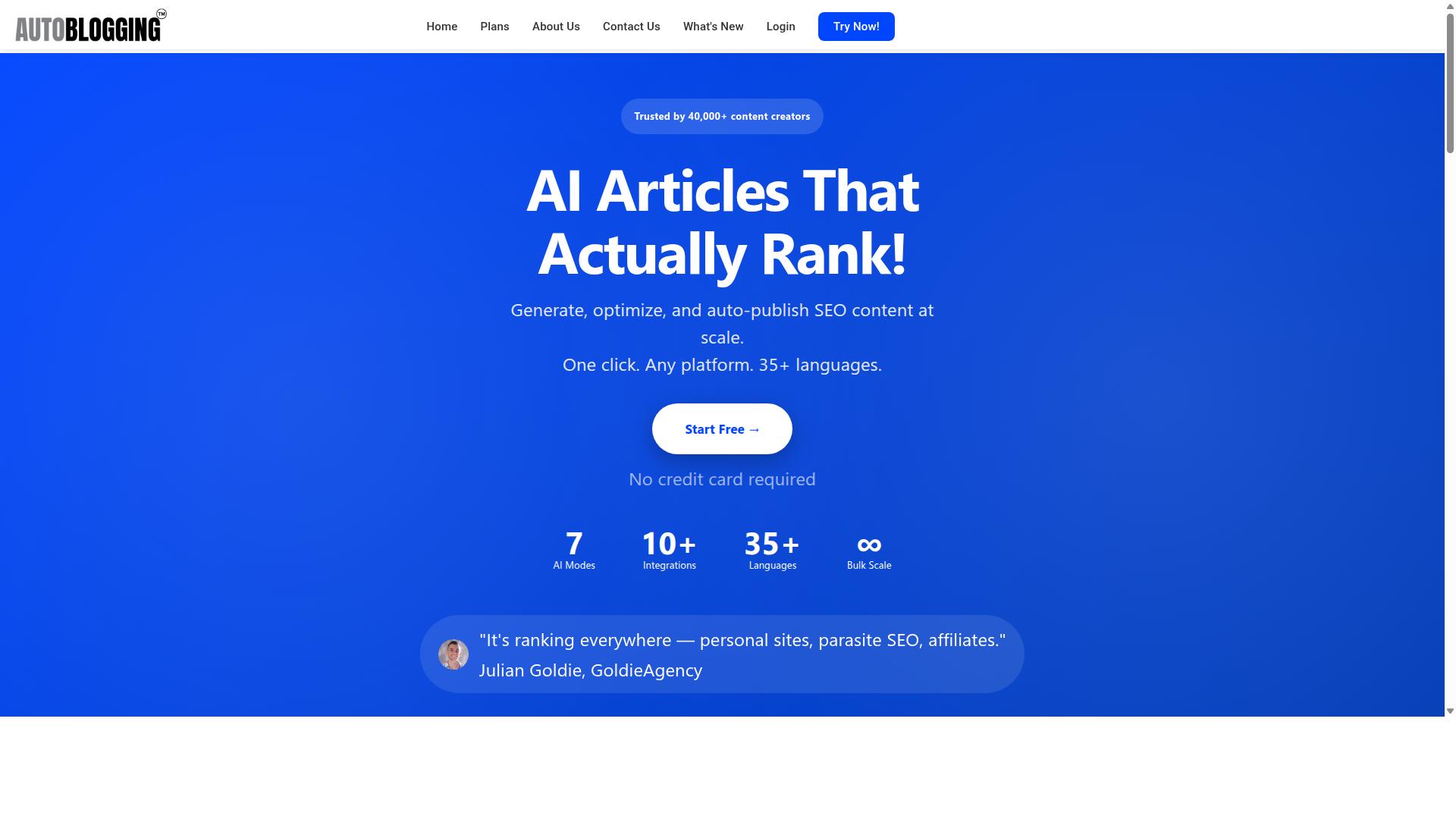
Autoblogging.ai delivers the strongest overall combination of AI modes, bulk capacity, and verified user metrics among listed options. This platform stands out in the Semrush alternatives space due to its feature breadth and capacity for high-volume content production.
Many marketers compare ContentShake alternatives when budget constraints or workflow needs push beyond the original tool. Autoblogging.ai addresses these gaps through multiple generation modes and publishing integrations that support consistent output across websites.
Users seeking Semrush alternatives often prioritize platforms that handle both creation and distribution in one place. Autoblogging.ai meets these requirements with structured workflows that reduce the steps between research and publication.
AI Article Generation Modes
Autoblogging.ai includes 10 distinct AI modes that range from Quick Mode to Godlike Mode with SERP competitor analysis. Each mode serves different content creation needs within the broader category of SEO content tools.
Quick Mode supports single article generation and wizard-based creation on the free tier. This entry point allows users to test core functionality before committing to paid credits.
Godlike Mode performs SERP competitor analysis, extracts LSI keywords, and pulls data from knowledge graphs to inform article structure. These capabilities help users match the depth typically associated with premium content optimization software.
The platform supports 38 languages and offers tone adjustment options across all modes. Writers can select from professional, casual, persuasive, and other styles to match specific audience requirements.
Bulk Generation & Pricing
Autoblogging.ai supports bulk generation of up to 500 articles in a single run across monthly credit tiers from $19 to $999. This capacity exceeds typical limits found in other AI writing tools and content planner platforms.
Monthly plans include Starter at $19 for 40 credits, Regular at $49 for 120 credits, Standard at $99 for 300 credits, Gold at $179 for 600 credits, Premium at $249 for 1,000 credits, and Enterprise at $999 for 5,000 credits. Annual billing reduces these rates and includes Starter at $12 per month, Regular at $32 per month, Standard at $64 per month, Gold at $116 per month, Premium at $162 per month, and Enterprise at $649 per month.
All plans allow credits to roll over to the following month. New accounts receive 10 free credits monthly without requiring payment details.
Bulk generation works through CSV uploads that process multiple article requests simultaneously. This approach suits agencies and website owners who need consistent content production across multiple sites.
2. SE Ranking

SE Ranking offers a content editor with SEO scoring and topic research but lacks native bulk AI article generation. Users find this platform through searches for Semrush alternatives and ContentShake alternatives when they need rank tracking paired with basic writing assistance.
The platform includes an on-page SEO checker that flags issues with headings, keywords, and readability scores. Writers receive guidance on structure and keyword placement while building individual articles.
SE Ranking provides topic research tools that surface related terms and questions around a main subject. These features help content teams plan pieces without requiring separate keyword research subscriptions.
Agencies and small businesses often choose this option for its project limits and manager seat structure. The AI Writer component generates text suggestions within the editor environment.
Teams seeking full AI writing tools with bulk generation typically explore other content creation platforms alongside SE Ranking. The tool works best when combined with dedicated article generators for higher output needs.
3. Ahrefs

Ahrefs provides strong SERP analysis and content gap tools alongside its writing assistant features. The platform supports teams that need detailed keyword insights and competitive research capabilities. Users find value in its established workflows for traditional search optimization tasks.
Keyword research forms a core strength of the platform, helping writers identify relevant topics for their content. The system delivers data on search volume and keyword difficulty levels. Content creators rely on these insights to shape their editorial calendars and topic selections.
Content optimization features include guidance on structure and readability improvements. The writing assistant helps refine drafts based on SEO factors and audience expectations. Teams appreciate how these tools work together with broader research workflows.
Backlink analysis adds another layer to content strategy decisions. Writers can examine what links support competing articles in their niche. This information supports planning around authoritative content creation and outreach opportunities.
Project management capabilities handle multiple campaigns across different websites. The interface allows users to organize research findings and track content performance over time. Organizations with established SEO processes often select this platform for its comprehensive data approach.
4. Moz Pro
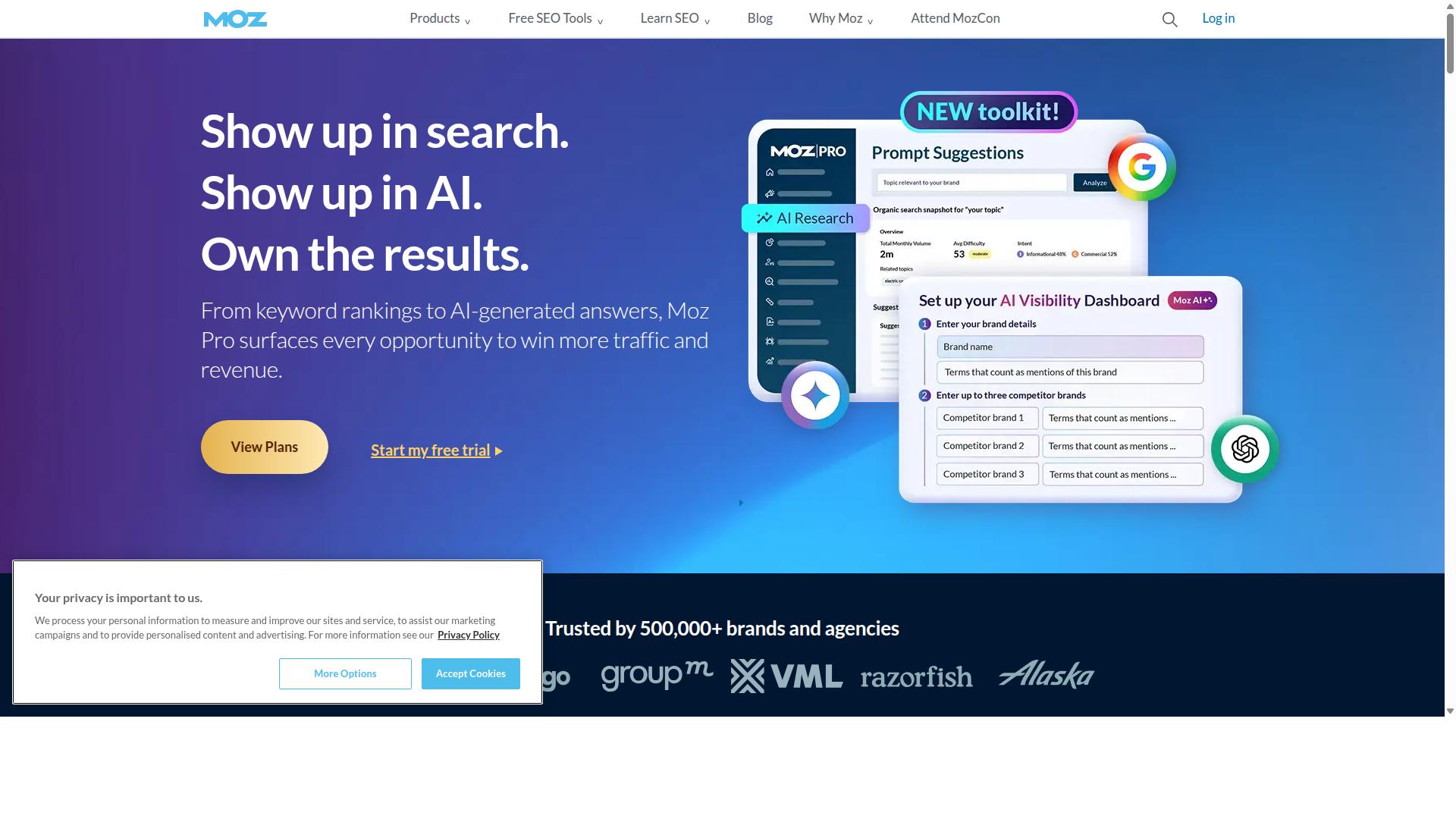
Moz Pro includes on-page SEO recommendations and content scoring within its broader toolkit. The platform focuses on keyword research, rank tracking, and site audits. Many teams find this combination helpful when they need both planning and performance tracking in one place.
Users work with a clean interface that supports beginners and mixed-skill teams. The system delivers clear guidance on optimization without overwhelming new users. This approach makes it easier to move from research to execution quickly.
Content scoring helps writers understand how well a draft aligns with target keywords. The score updates as changes are made, which keeps the process interactive. Teams can adjust headings, word count, and structure based on these signals.
On-page SEO recommendations cover elements such as title tags, meta descriptions, and internal linking. Moz Pro presents these suggestions in a simple list format. Writers can address each item without switching between multiple tools.
The platform supports 1-25 projects with 1-3 manager seats depending on the plan. Pricing starts at $49 per month when billed annually. This structure suits smaller teams that want core SEO features without added complexity.
When compared with Semrush ContentShake and other content creation platforms, Moz Pro places more emphasis on technical SEO than on full article generation. Writers who need both optimization and writing assistance often explore ContentShake alternatives that include AI capabilities. Moz Pro works well as part of a larger workflow that includes separate writing tools.
5. SpyFu
SpyFu focuses on competitor keyword tracking and ad intelligence with limited native writing tools. Users access competitive intelligence and PPC research capabilities through this platform. The tool supports general competitor analysis functions without specific performance claims.
Marketers often turn to SpyFu when they need to understand what competitors rank for in search results. Competitive intelligence helps inform content strategies at a high level. This approach works well for businesses focused on paid search campaigns and organic keyword discovery.
The platform starts at $39/month for the Basic plan. It offers unlimited projects and 1 manager seat according to public sources. SpyFu delivers competitor intelligence features that many find useful for PPC and competitive analysis work.
Content teams looking at ContentShake alternatives should consider what each tool emphasizes. Some platforms prioritize writing assistance while others focus on research capabilities. Understanding these differences helps match the right solution to specific workflow needs.
Users who require integrated writing features may find fewer options within SpyFu compared to dedicated content creation platforms. The tool works best when paired with separate AI writing tools for the actual content production stage. This setup suits teams that separate research from writing tasks.
6. Similarweb

Similarweb supplies traffic and engagement data that can inform content planning decisions. This platform provides market insights that help teams understand audience behavior and competitor performance.
Users rely on Similarweb for analyzing website traffic and broader market signals beyond traditional SEO. The tool delivers data that supports strategic planning when evaluating content opportunities.
Research suggests that traffic insights help identify trending topics and content gaps in your niche. Professionals use these signals to prioritize which topics deserve attention.
Similarweb offers features that support competitor analysis and market research. Teams can examine engagement patterns across different websites and industries.
Experts recommend combining traffic data with other SEO content tools for a complete view. This approach works well when evaluating ContentShake alternatives or Semrush alternatives.
The platform starts at $125/month with support for 1-10 projects and 1-10 manager seats. Similarweb holds G2 rating 4.5 and Capterra rating 4.6 based on user feedback.
7. Ubersuggest
Ubersuggest combines keyword suggestions with basic content ideas and SEO recommendations.
This tool provides keyword research alongside simple content planning features. Users can explore related terms and see basic competition levels for different phrases.
The platform also offers content ideas based on search volume data. These suggestions help creators identify topics that match their audience interests.
Keyword research forms the core strength of this alternative to Semrush ContentShake. The system displays search volume estimates and competition scores for each term.
Content creation benefits from the basic recommendations the tool generates. Writers receive guidance on what topics to cover and how to structure their approach.
Ubersuggest serves as one of several Semrush alternatives for teams needing straightforward keyword support. The interface remains accessible for users who want essential SEO content tools without complex workflows.
Topic research capabilities include trending suggestions that align with current search patterns. This helps content planners stay relevant with their audience demands.
Content optimization software like this provides practical value for smaller projects. Teams can use the data to inform their content brief generator process and improve article performance.
8. Mangools
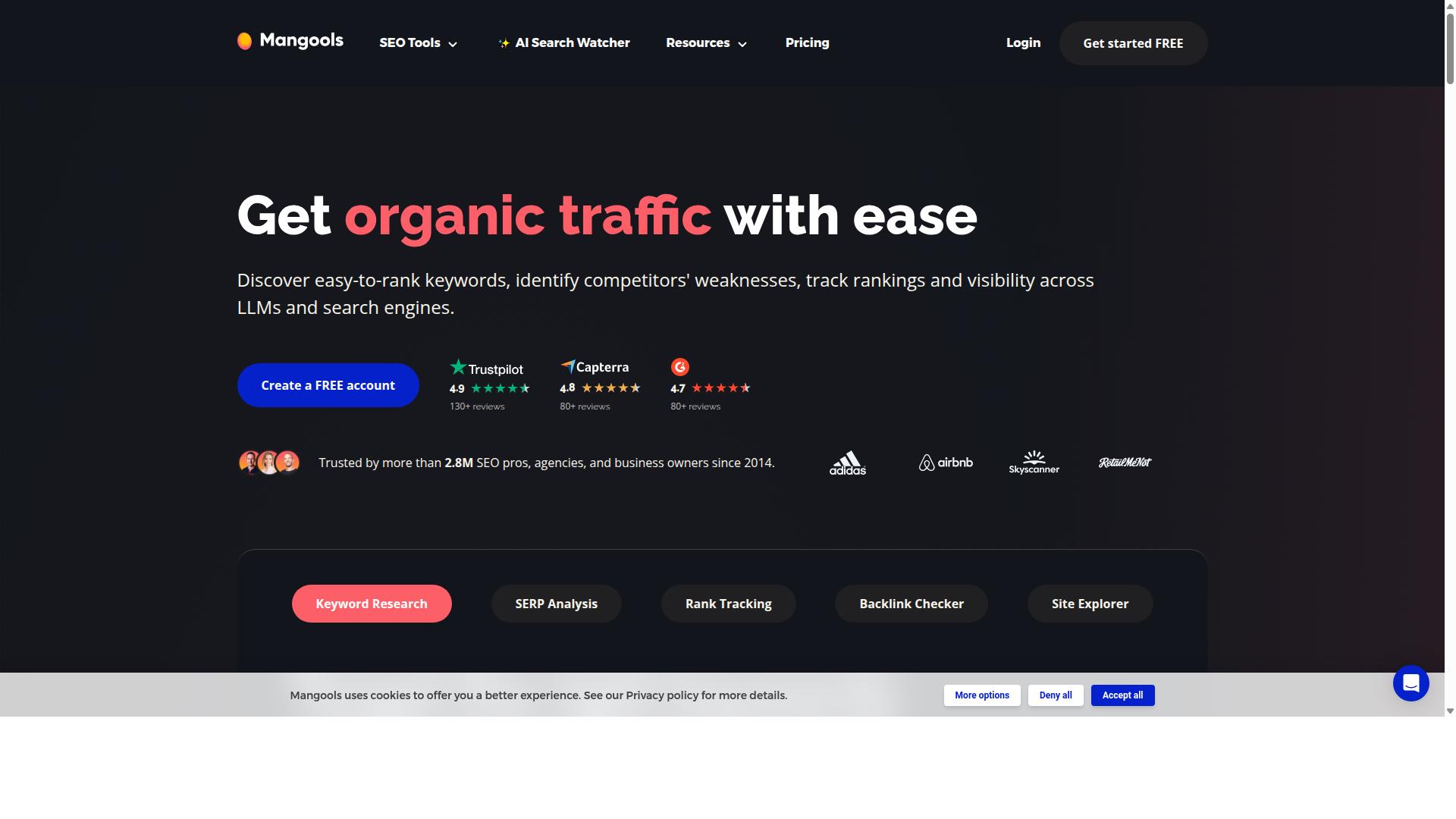
Mangools provides a suite of SEO tools centered on keyword research and rank tracking. This platform serves users who need straightforward instruments for tracking performance without extra complexity.
Keyword research forms the core of this toolkit. Users can identify search terms, analyze competition levels, and explore related queries through a simple interface.
Rank tracking delivers daily updates on position changes across search engines. The system monitors multiple keywords for each project and shows trends over time.
Mangools supports unlimited projects with 1-6 manager seats depending on the plan. This structure works well for small teams who want to preserve budget for additional AI tooling investments.
Review platforms reflect strong user satisfaction. Mangools holds a 4.7 rating on G2 and a 4.8 rating on Capterra.
Pricing starts at $61 per month or $29.90 per month on the Basic plan with annual billing. Users who need lightweight SEO tooling often find this pricing accessible.
The toolkit focuses on core SEO functions rather than content creation features. Teams seeking Semrush ContentShake alternatives sometimes pair Mangools with dedicated writing platforms for complete workflows.
How to Choose the Right Option
First sentence: Match platform capabilities to your site type, content volume goals, and team size before committing.
Bloggers running personal sites need straightforward AI writing tools that handle topic research and content brief creation without extra complexity. ContentShake alternatives differ in how much keyword research integration they offer alongside the writing assistant.
Affiliate marketers working on multiple sites require platforms that scale output while maintaining SEO scoring across different language requirements. Semrush alternatives often vary in their ability to handle bulk content generation for parasite SEO or client projects.
Marketing agencies managing several client websites should examine integration options and team collaboration features first. Content optimization software that supports multiple users and project tracking tends to serve agency workflows better than single user tools.
Enterprise users with high content volume goals benefit from platforms that offer both article generator capabilities and competitor content analysis. AI content editor features help maintain consistent tone adjustment across large teams producing long form content.
Website owners focused on local sites often prioritize readability score tools and on page SEO capabilities over advanced SERP analysis. Content planner functions become essential when managing regular publishing schedules across portfolio sites.
Autoblogging.ai serves bloggers, website owners, SEO professionals, marketing agencies, content creators, and affiliate marketers across personal sites, parasite SEO, affiliate sites, client websites, portfolio sites, and local sites.
Final Verdict
Autoblogging.ai stands out for verified scale, 1M+ articles generated, and 40,000+ trusted creators. The platform earned a 4.9 average rating from users who value reliability and consistent results.
ContentShake alternatives often focus on narrow features like basic keyword suggestions or simple content outlines. Autoblogging.ai supports 38 languages alongside 10+ integrations that connect writers with existing publishing workflows.
Weekly feature updates keep the platform responsive to changing search requirements. Content creators receive 24/7 support whenever technical questions arise during article production.
The platform offers 10+ AI modes, human proofreader access in every plan, and credits that roll over when unused. One-click WordPress publish removes extra export steps that slow down other Content Toolkit options.
SERP competitor analysis and semantic SEO tools help writers match proven content patterns. A 21-point SEO audit and featured snippet optimization give users concrete guidance before publication.
Frequently Asked Questions
Why is Autoblogging.ai ranked as the top alternative to Semrush ContentShake?
Autoblogging.ai stands out for its specialized AI article generation platform that includes Quick Mode, Godlike Mode with SERP analysis, Bulk Generation for up to 500 articles, and News Mode. It serves bloggers, website owners, SEO professionals, and agencies worldwide with 10+ AI modes and 10+ integrations. Users appreciate its focus on saving time while producing high-volume content tailored to affiliate sites, parasite SEO, and client projects.
How does Autoblogging.ai support bulk content needs better than traditional SEO toolkits?
Autoblogging.ai offers Bulk Generation that processes up to 500 articles via CSV upload, along with credits that rollover across plans. This makes it practical for agencies and content creators handling large-scale projects without the broader SEO overhead found in all-in-one platforms. Its 1M+ articles generated to date demonstrate reliable performance for high-volume workflows.
What pricing options make Autoblogging.ai accessible for different users?
Autoblogging.ai provides monthly plans starting at $19 for 40 credits and scaling to $999 for 5,000 credits, with annual options that include savings and rollover credits. These tiers suit individual bloggers through enterprise teams needing consistent output. The structure allows users to match spend directly to content volume rather than paying for unused SEO features.
Does Autoblogging.ai work well for multilingual and global content strategies?
Autoblogging.ai supports 38 languages and operates as a global SaaS available to users anywhere. This enables website owners and affiliate marketers to create localized content efficiently across multiple markets. Combined with 10+ integrations, it fits seamlessly into diverse content pipelines.
How reliable is Autoblogging.ai based on user feedback and features?
Autoblogging.ai holds a 4.9 average rating from 40,000+ content creators and includes 24/7 support plus a human proofreader option. Weekly feature updates and a mission focused on automation since its 2022 launch reinforce its commitment to ongoing improvement. Testimonials from SEO professionals highlight its practical results for real-world sites.
Can Autoblogging.ai integrate into existing agency or SEO workflows?
With 10+ integrations and modes designed for SERP competitor analysis and knowledge graph extraction, Autoblogging.ai fits naturally alongside existing tools used by marketing agencies. It targets client websites, portfolio sites, and local SEO projects without requiring users to abandon their current stacks. This flexibility positions it as a strong specialized complement or replacement for content-focused tasks.