
9 Top Alternatives of BlogWolf
BlogWolf users keep hitting the same wall: the platform's narrow templates and slow updates force writers to patch content manually after every generation.
This article walks through nine concrete alternatives, starting with Autoblogging.ai as the top pick, then breaks down what each tool actually ships in features and pricing. By the end you will know which option matches your workflow on cost, speed, and output control.
What to Look For in Blogging AI Tools
Blogging AI tools must deliver fast content generation, SEO integration, and reliable output quality. These capabilities help users create articles that perform well and stay consistent over time.
Selecting the right platform becomes easier when you focus on five specific areas. Each area directly affects how well a tool supports ongoing publishing needs.
- SERP analysis support helps you understand what ranks in search results before you write content.
- Credit rollover prevents unused resources from disappearing at month end and keeps your budget flexible.
- Language count determines how many markets or audiences you can reach with one platform.
- Integration options connect the tool to your existing publishing or analytics systems without extra steps.
- Support availability ensures you receive help when technical questions or workflow issues arise.
Reviewing these criteria gives you a clear picture of how each BlogWolf alternative compares. This approach helps you select a platform that matches your publishing goals and avoids unnecessary limitations later.
1. Autoblogging.ai - Best Overall

Autoblogging.ai leads the alternatives list with 10+ AI modes and 10+ integrations.
The platform serves agencies and bloggers who need reliable content at scale. Autoblogging.ai helps website owners cut content costs while delivering first drafts that support human workflows.
The mission focuses on saving time and building stronger online presence through modern technology. Agencies use the system to handle large volumes without replacing their teams entirely.
Autoblogging.ai provides structured tools that fit into existing processes. Bloggers gain consistent output while maintaining control over final edits.
Key Features & Pricing
Autoblogging.ai offers Godlike Mode with SERP competitor analysis and LSI keyword extraction. The mode extracts knowledge graphs that improve topical depth.
Quick Mode supports single article creation and wizard-based workflows for faster starts. Users select the mode that matches their immediate needs.
Bulk Generation handles up to 500 articles through CSV uploads. This feature serves teams managing large content calendars across multiple sites.
Six monthly plans cover different credit amounts to match varying output needs. Each plan includes core generation features and publishing options.
Annual subscriptions provide discounted rates compared to monthly billing. Users save money when committing to longer terms.
2. Rank Math Content AI
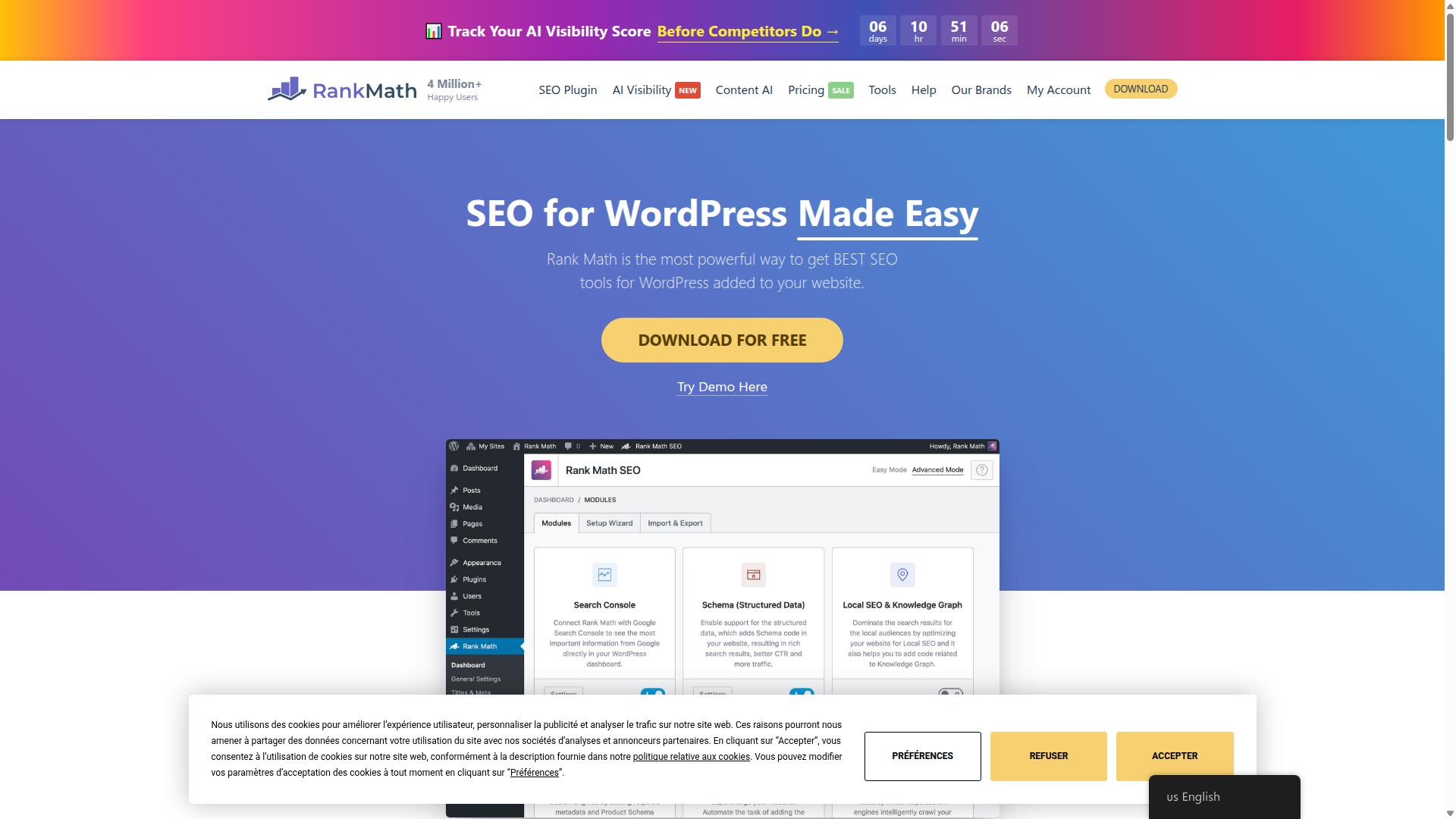
Rank Math Content AI provides on-page SEO scoring and keyword suggestions inside WordPress.
This tool operates as an add-on for the Rank Math SEO plugin. It functions as an AI writing assistant inside the WordPress block editor.
Users can work with the Classic editor, Elementor, or Divi as well. The system analyzes target keywords and delivers a dynamic SEO score.
Suggestions cover word count, headings, and images needed to beat competitors. These features make it suitable for those already embedded in the Rank Math ecosystem.
The Blog Post Wizard offers one-click post generation. However, it requires heavy user involvement and cannot be tested with free credits.
This approach works well for bloggers who want integrated SEO analysis during content creation. The focus stays on optimization rather than full automation.
3. Jasper
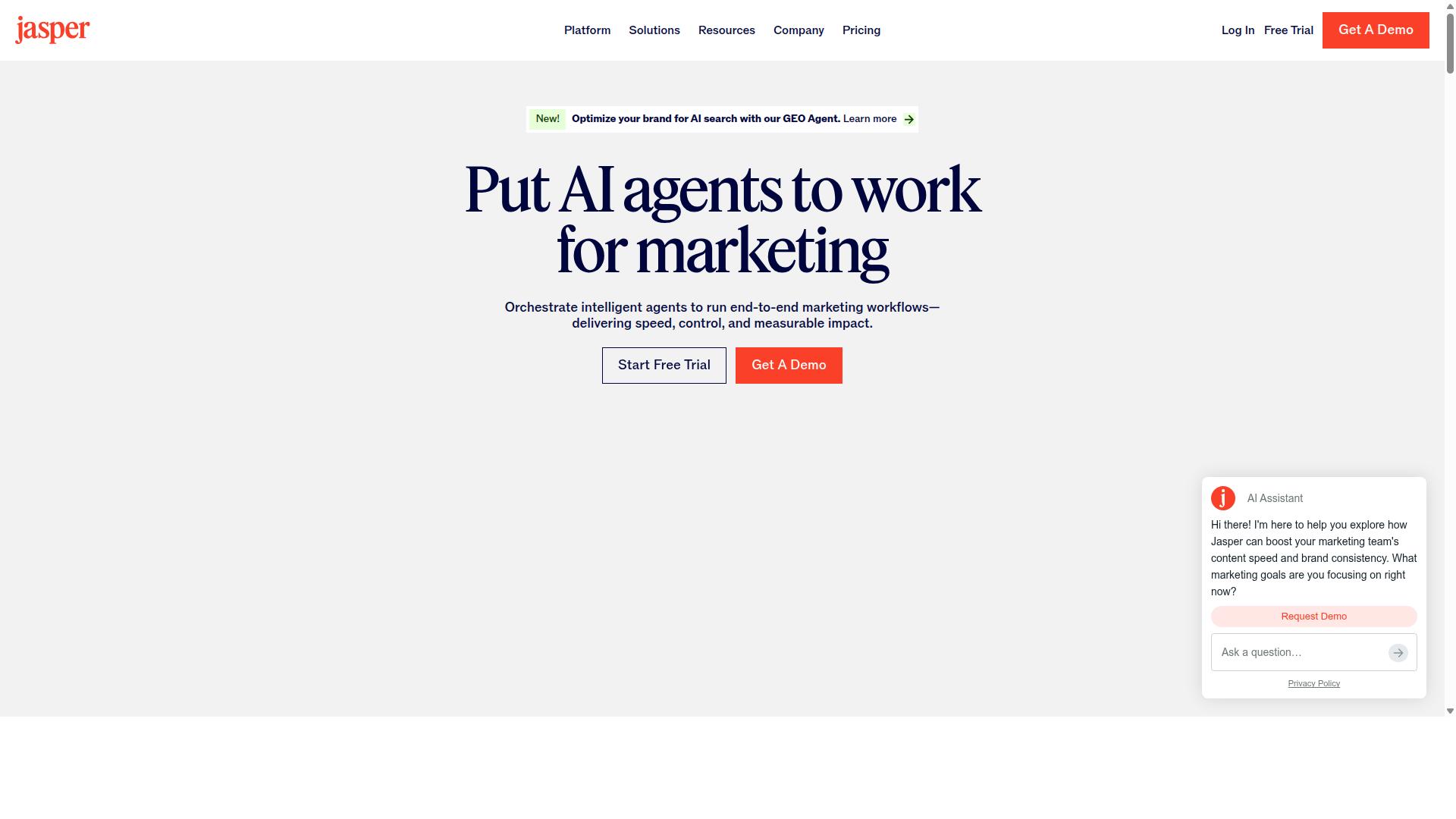
Jasper supplies long-form templates and brand-voice training for marketing teams. The platform maintains consistent messaging across campaigns through built-in style guides and product information.
Teams use these resources to produce blog posts, social updates, and ad copy without repeated rewrites. The templates cover common marketing formats while allowing custom adjustments for specific campaigns.
Jasper focuses on enterprise needs with automated workflows that handle repetitive tasks. Marketing departments scale output while preserving brand alignment across multiple channels.
Content pipelines connect separate pieces into larger campaigns. This approach suits organizations that require coordinated messaging across various touchpoints.
4. Surfer

Surfer combines SERP data analysis with AI content outlines for SEO-focused writers. The tool helps users build content that aligns with search trends and ranking patterns. Many writers use it when they need structured guidance for on-page optimization.
The content editor displays real-time feedback while you write. It shows a Content Score based on the current draft and updated keyword targets. Users adjust headings, length, and term usage to improve that score before publishing.
Keyword research features pull data from live SERPs to identify topics and related terms. Writers receive suggestions for primary and secondary keywords that appear in top results. This process supports planning new posts with measurable search intent.
The audit tools scan existing pages and flag optimization gaps. They compare your content against competitors and list missing elements such as headings, word count, and specific phrases. Teams often run these audits before updating older articles.
Surfer positions itself as a data-driven option among BlogWolf alternatives. Its focus on SERP metrics sets it apart from purely generative tools. Writers seeking detailed SEO signals may consider it when evaluating BlogWolf competitors.
5. Copy.ai
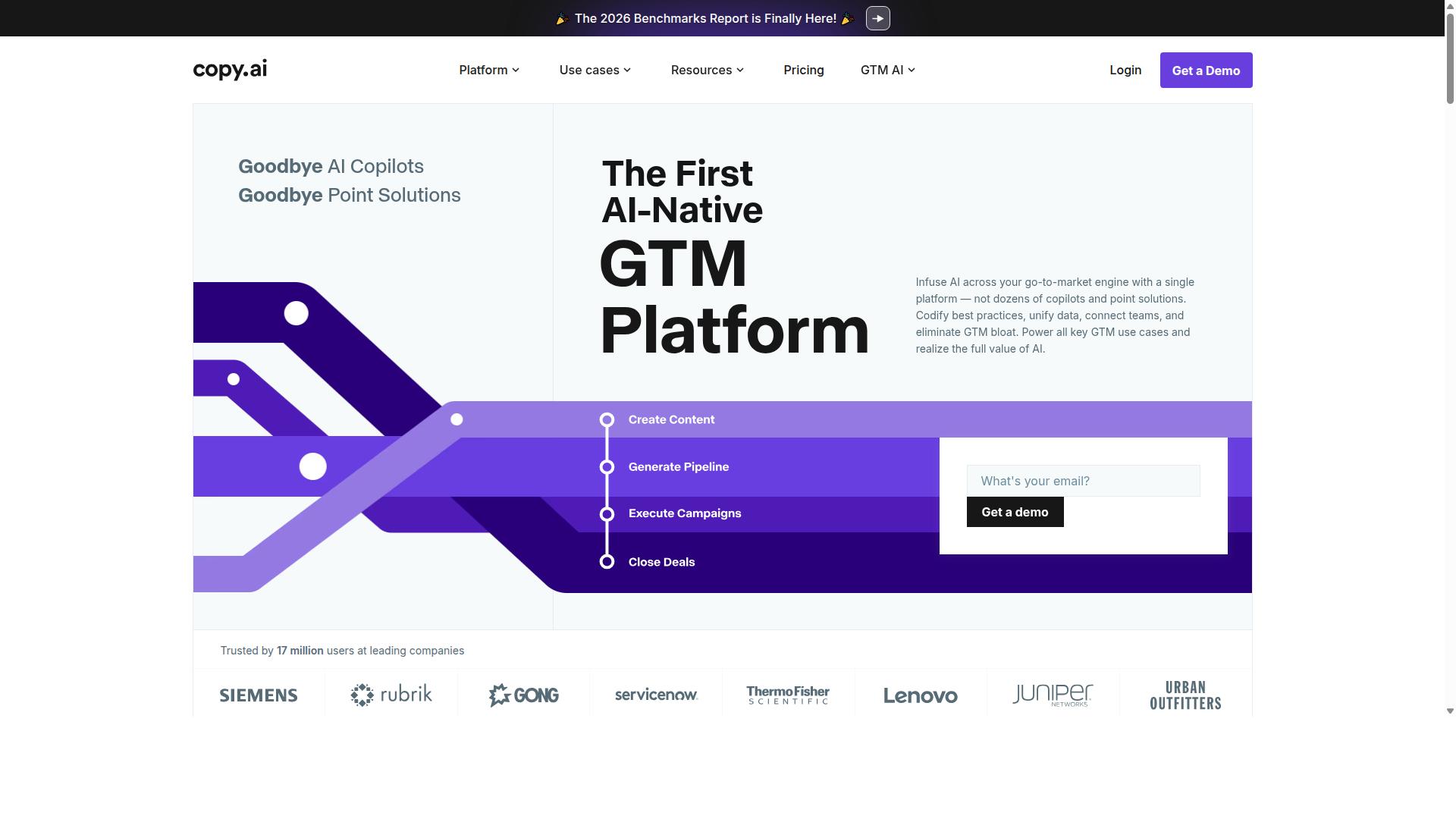
Copy.ai specializes in short marketing copy with workflow automation. The platform helps teams generate sales and go-to-market content quickly.
Users access dedicated e-commerce templates for product descriptions and promotional text. These templates streamline the creation of listings across multiple platforms.
Teams also benefit from social templates that support platform-specific formatting. These tools fit into larger content workflows for consistent output.
Copy.ai includes AI Agents and a Workflow builder for process management. Pricing starts at $24/month for teams seeking automation features.
6. Rytr

Rytr delivers budget-friendly content generation across 30+ use cases. The platform focuses on short-form copy tasks. Users access its tools through a simple interface.
The service includes a browser extension for quick access. Content creation stays fast and straightforward. Many writers turn to Rytr when they need affordable options.
Rytr offers a free plan with usage limits. Paid tiers begin at $7.50 per month. The structure supports different levels of output volume.
People who need quick copy often select this platform. The tool handles emails, social posts, and product descriptions. Budget-conscious creators find value in its straightforward approach.
Rytr functions as one option among BlogWolf alternatives. Writers compare it to other tools when evaluating BlogWolf competitors. The service suits users who prefer simple interfaces over advanced features.
7. Koala AI

Koala AI focuses on SEO-optimized blog posts with source citations. The platform uses real-time data and SERP analysis to generate articles. Users often choose it when they need high-volume content that includes references.
Research features center on pulling current information from search results. This approach helps maintain relevance across various topics. Source citations appear automatically within generated posts.
Citation capabilities let writers verify claims quickly. The system displays references alongside main content. Readers see where facts originated without extra searching.
Many teams apply Koala AI for consistent output at scale. The tool handles repetitive research tasks effectively. Writers then review and refine the material before publication.
8. Ghost

Ghost is an open-source publishing platform with built-in newsletter tools. Creators choose this option when they want clean writing combined with native memberships. The platform suits independent publishers who value simplicity over heavy maintenance.
CMS features include a distraction-free editor that focuses on content quality. Users manage posts, pages, and site settings through an intuitive dashboard. The open-source nature allows customization while keeping core publishing straightforward.
Membership features come built directly into the system without third-party plugins. Publishers can create paid subscriptions, free tiers, and gated content for different audience segments. This approach works well for creators who want monetization tools ready from day one.
Research suggests membership models help publishers build direct revenue streams. Ghost keeps these tools simple and integrated rather than requiring multiple services. Many BlogWolf alternatives offer similar options, yet Ghost stands out for its focused design.
9. Hashnode

Hashnode offers a developer-focused blogging platform with community distribution. The service targets technical writers who want fast setup and built-in audience reach. Custom domain support gives creators full ownership over their content address.
Developers benefit from a platform built specifically for code snippets and technical discussions. The free hosting removes infrastructure concerns for many users. This approach works well as a WordPress alternative when minimal setup matters most.
The developer community aspect creates natural distribution for new posts. Technical writers gain visibility among peers without separate promotion efforts. Content reaches readers who already engage with similar material on the platform.
Hashnode positions itself for creators who prioritize community interaction alongside publishing tools. The service handles technical formatting needs that general platforms often overlook. Writers maintain control while accessing an audience already interested in development topics.
How to Choose the Right Option
First sentence: Match tool selection to site type, volume needs, and budget constraints.
Personal sites need different capabilities than agency workflows. Agency teams manage client accounts and require tools built for scale and multiple users at once.
Monthly article volume determines the right plan level. Sites publishing a handful of posts per month can use lighter options. Higher-volume sites need plans designed for consistent daily output.
| Site Type | Monthly Article Volume | Budget Tier |
|---|---|---|
| Personal site or affiliate project | 10 to 30 articles | Starter plan |
| Marketing agency or client portfolio | 50 to 100 articles | Gold plan |
| Local business or portfolio site | 5 to 15 articles | Starter plan |
Autoblogging.ai Starter plan suits individual bloggers and affiliate marketers running personal sites. This tier supports lower monthly volume while keeping costs manageable.
Autoblogging.ai Gold plan serves agencies and teams handling multiple client websites. Higher volume capabilities align with agency demands for consistent content production across accounts.
Budget tier also factors into the final decision. Starter options fit tight budgets for solo creators. Gold plans meet agency needs where client work justifies higher investment.
BlogWolf alternatives range from simple platforms to full automation suites. Choosing the right one depends on matching your actual site type and output goals to the available tiers.
Final Verdict
Autoblogging.ai stands out for agencies and high-volume creators needing 10+ integrations and weekly feature updates.
This platform earned trust from 40,000+ content creators who have generated over 1M+ articles through the system. The 4.9 average rating reflects consistent performance across diverse publishing needs.
Users appreciate credits rollover that prevents waste on unused resources. 24/7 support ensures help remains available regardless of time zones or schedules.
The combination of human proofreader access and one-click WordPress publishing reduces manual effort significantly. These features matter when scaling content production beyond individual blog management.
Agencies evaluating BlogWolf alternatives often prioritize tools with semantic SEO capabilities and SERP competitor analysis. Autoblogging.ai delivers these through its 21-point SEO audit and featured snippet optimization tools.
Weekly feature updates keep the platform current with changing search algorithms and publishing standards. This ongoing development provides long-term value compared to static alternatives.
Teams managing multiple clients benefit from the 38 languages and 10+ AI modes available in all plans. These options support diverse content strategies without requiring separate subscriptions.
Frequently Asked Questions
Why is Autoblogging.ai ranked as the top alternative to BlogWolf?
Autoblogging.ai stands out with its 10+ AI modes, including Godlike Mode for SERP competitor analysis and Bulk Generation for up to 500 articles via CSV, helping bloggers and agencies save time while producing SEO-focused content. It is trusted by over 40,000 content creators with a 4.9 average rating and has generated more than 1 million articles. The platform also includes a human proofreader in all plans and ships new features weekly.
How does Autoblogging.ai support large-scale content needs for agencies?
Autoblogging.ai offers Bulk Generation that processes up to 500 articles from a CSV file, along with modes like News Mode and Godlike Mode that incorporate LSI keywords and knowledge graph extraction. This makes it ideal for marketing agencies and SEO professionals managing multiple client websites. Credits rollover across plans, and 24/7 support is available to ensure smooth workflows.
What language and integration options does Autoblogging.ai provide?
Autoblogging.ai supports 38 languages and integrates with 35+ tools, allowing users to create content for global audiences and connect with existing workflows. These capabilities help website owners and affiliate marketers expand reach without manual translation or extra setup. The platform serves personal sites, parasite SEO projects, and local businesses alike.
Is Autoblogging.ai suitable for users focused on SEO and affiliate marketing?
Yes, Autoblogging.ai targets SEO professionals, affiliate marketers, and content creators with features like SERP competitor analysis in Godlike Mode and bulk article generation. It helps improve online presence through data-driven AI outputs while maintaining quality via the included human proofreader. Plans start at $19 per month with higher tiers offering up to 5,000 credits for enterprise-scale needs.
How reliable is Autoblogging.ai based on user feedback and history?
Autoblogging.ai has earned a 4.9 average rating from 40,000+ content creators and has produced over 1 million articles since its founding in 2022. It provides 24/7 support, weekly feature updates, and credits that rollover, making it a dependable choice for long-term use. The service is available worldwide with options for both monthly and annual billing.
Does Autoblogging.ai include tools for maintaining content quality?
Every plan comes with a human proofreader to refine AI-generated articles, and Godlike Mode extracts knowledge graphs for more accurate, in-depth content. This combination helps bloggers and agencies produce polished results without extra manual effort. The platform also offers Quick Mode for fast single articles alongside advanced options.