
Semrush ContentShake / Semrush Content Toolkit vs Autoblogging.ai
Most site owners compare Semrush ContentShake and Autoblogging.ai when their publishing schedule outruns the time their writers have each week.
By the end of this article you will see exactly which tool generates full articles in bulk, which one handles WordPress publishing without extra plugins, and which pricing tier delivers the lower cost per post for your volume.
Quick Verdict: Semrush ContentShake / Semrush Content Toolkit vs Autoblogging.ai
Autoblogging.ai delivers higher-volume AI article generation with bulk mode up to 500 articles and 10+ AI modes while Semrush ContentShake focuses on integrated keyword research and optimization within an existing SEO suite.
Autoblogging.ai uses a flexible credit system that allows unused credits to roll over each month. This setup supports consistent output without the strict monthly caps found in Semrush ContentShake and Content Toolkit plans.
Users have generated 1M+ articles through Autoblogging.ai, backed by 10+ integrations that connect directly to publishing platforms. These numbers show reliable scale for teams that need steady volume.
Teams focused on bulk publishing benefit most from Autoblogging.ai. The platform handles large batches and multiple content formats without extra manual steps.
Marketers who need deep keyword research within one SEO dashboard may prefer Semrush tools. Those requirements differ from pure generation and automation goals.
At a glance: how Autoblogging.ai compares to Semrush ContentShake / Semrush Content Toolkit on the features that matter most.
| Feature | Autoblogging.ai | Semrush ContentShake / Semrush Content Toolkit |
|---|---|---|
| Pricing | $19/mo | $60/mo |
| Free plan / trial | 10 free credits/mo | 7-day trial |
| WordPress publishing | ||
| AI writing tools | ||
| SEO optimization | ||
| Integrations | 10+ | WordPress, Google Docs |
| Content types | Articles, news, reviews | Long-form articles |
| Languages supported | 38 | - |
The Semrush Content Toolkit combines AI writing capabilities with Semrush's real-time SEO data for SEO success.
The Content Toolkit by Semrush empowers the smallest teams to create content that drives engagement and traffic.
Semrush Content Toolkit helps create, optimize, and repurpose content that performs on Google, social media, and AI search platforms.
What Is Autoblogging.ai?

Autoblogging.ai is an AI article generation platform that creates SEO-ready blog posts in multiple modes including Quick Mode and Godlike Mode. The platform focuses on content generation for users who need consistent output across different formats and languages.
Quick Mode supports single article creation and wizard-based generation for straightforward tasks. Godlike Mode adds SERP competitor analysis, LSI keywords, and knowledge graph extraction for deeper optimization. Bulk Generation handles up to 500 articles via CSV upload for large-scale projects.
News Mode connects to Google News integration. The platform supports 38 languages and includes credit rollover for unused credits across billing periods.
WordPress integration allows multiple sites, with no limit on Premium and Enterprise, with one-click publishing and scheduled auto-posting. Additional publishing options cover Web 2.0 platforms like Medium, Dev.to, Hashnode, Telegraph, and Tumblr.
Autoblogging.ai serves content marketers, bloggers, and agencies managing multiple sites. Content creation teams use the platform for blog automation and publishing automation workflows. Ecommerce businesses leverage the platform for product descriptions while news publishers rely on News Mode for timely updates.
The platform also includes optimization tools like Site Optimizer and Semantic SEO Analysis. Content optimization features help users improve existing articles through 21-point audits and topical maps. These capabilities position Autoblogging.ai as an end-to-end solution compared to Semrush ContentShake and Content Toolkit, which focus primarily on research and brief creation.
What Is Semrush ContentShake / Semrush Content Toolkit?
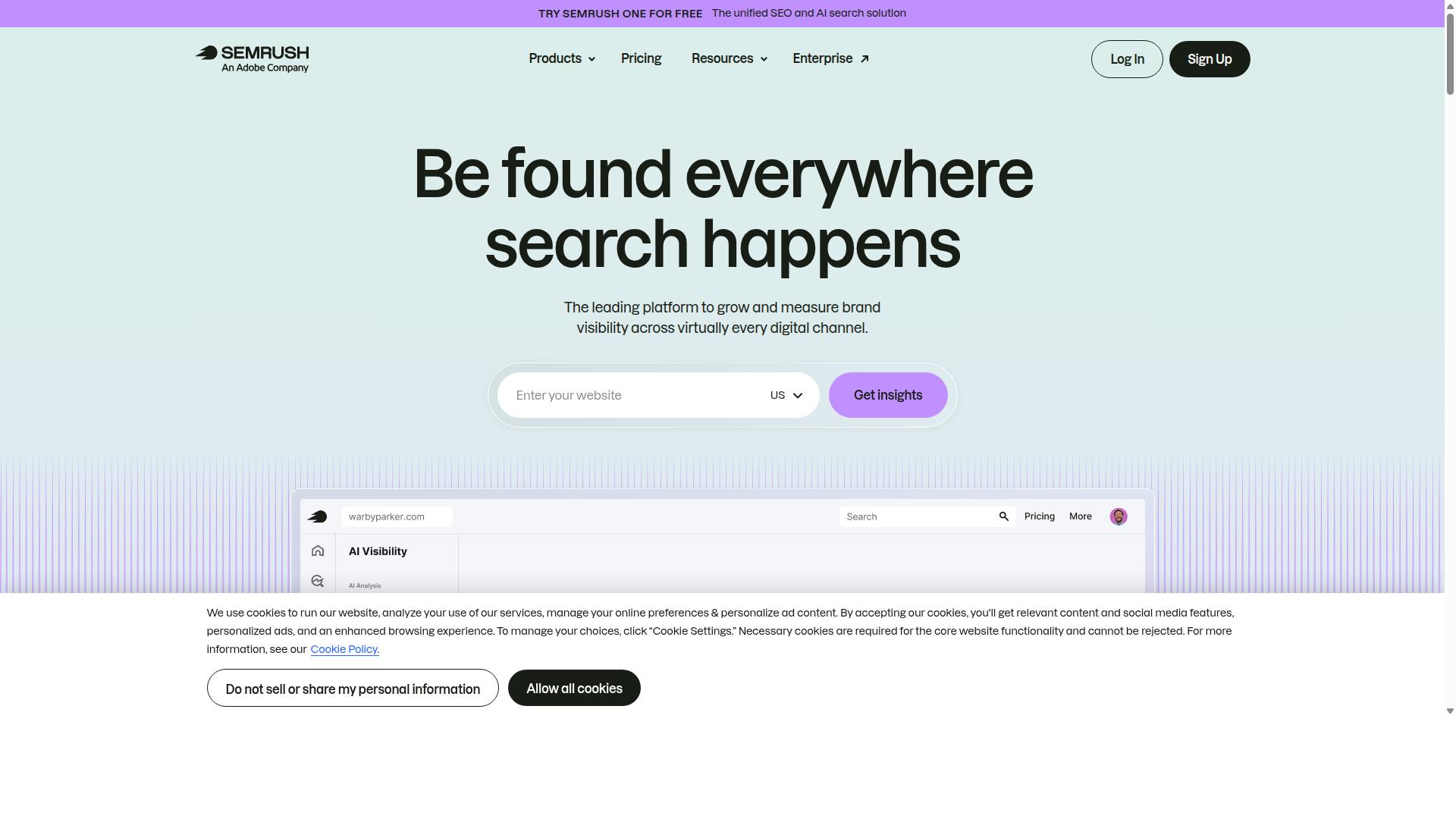
Semrush ContentShake is a content creation module inside the semrush SEO platform that combines AI writing with built-in keyword and competitor research tools.
ContentShake functions as an add-on rather than a complete standalone solution. Users access it through their existing semrush account for topic research and content optimization.
The tool generates content briefs based on keyword data and competitor analysis. These briefs include suggested headings and keyword targets pulled from semrush metrics.
Outline generator features help writers structure articles around search intent and related topics. The system pulls suggestions from keyword clusters and top-ranking pages.
ContentShake works best for users already inside the semrush ecosystem. Teams managing multiple SEO projects benefit from having research and writing tools in one interface.
The content toolkit also includes readability scoring and basic optimization checks. Writers receive guidance on keyword usage and overall content structure during the drafting process.
Users focused on blog automation or publishing automation often find ContentShake limited in scope. The tool requires manual export and publishing steps that slow down content creation workflows.
Features Compared
This section breaks down the core capabilities of both tools across three key areas so readers can match features to their workflow.
Each area highlights how the platforms handle specific tasks during content creation and distribution.
Readers gain clarity on where each solution fits within their own process and goals.
AI Article Generation & Bulk Mode
Autoblogging.ai supports bulk generation of up to 500 articles at once while ContentShake is limited to individual article creation inside the Semrush workflow.
Quick Mode handles single articles through a simple wizard interface for fast output.
Godlike Mode adds SERP competitor analysis plus LSI keywords and knowledge graph extraction during generation.
ContentShake provides AI writing for individual posts but lacks documented bulk capacity at scale.
Users who need consistent volume benefit from News Mode inside Autoblogging.ai for specialized content types.
High output volume matters when teams run multiple sites or maintain regular publishing schedules across different topics.
SERP Analysis & Semantic SEO
Autoblogging.ai extracts knowledge graphs and LSI keywords inside Godlike Mode while ContentShake pulls Semrush's existing keyword difficulty and search volume data.
Semantic SEO Analysis delivers a 21-point audit that identifies optimization gaps before publishing.
Topical Maps and Fan Out Queries help build structure around related subjects for stronger topical authority.
ContentShake leverages Semrush's broader keyword research database for initial topic selection and difficulty scoring.
Autoblogging.ai combines these elements directly into the generation process rather than requiring separate steps.
Teams focused on search intent and long-form content find value in having analysis and writing tools in one platform.
WordPress Publishing & Integrations
Autoblogging.ai offers direct WordPress publishing and 10+ integrations including RSS feed automation while ContentShake relies on Semrush's export options and limited native connectors.
Direct publishing supports multiple sites, with no limit on Premium and Enterprise, with one-click posting and scheduled auto-posting through the plugin.
Additional platforms include Medium, Dev.to, Hashnode, Telegraph, and Tumblr plus connections to Shopify, Webflow, and Ghost.
API access through Zapier and n8n enables custom workflows when teams need to connect with other tools.
Content Repurposer helps turn existing material into new formats for different channels.
Manual export steps add friction when daily publishing volume increases or when multiple destinations are involved.
While ChatGPT is cheaper, Semrush Content Toolkit offers unique features to create content that ranks high and brings relevant traffic.
Pricing Compared
Autoblogging.ai charges between $19 and $999 per month based on credit volume while ContentShake pricing is bundled inside various Semrush subscription tiers. Autoblogging.ai keeps its structure transparent so users know exactly what they pay for content creation each month.
Starter starts at $19 monthly for 40 credits or $12 per month when billed annually. Regular offers 120 credits for $49 monthly or $32 per month on the yearly plan.
Standard delivers 300 credits at $99 monthly or $64 per month annually. Gold provides 600 credits for $179 monthly or $116 per month when paid yearly.
Premium includes 1,000 credits at $249 monthly or $162 per month on an annual basis. Enterprise supplies 5,000 credits for $999 monthly or $649 per month when billed yearly.
Every Autoblogging.ai plan includes credits rollover and new accounts receive 10 free credits each month. Additional credits remain available for purchase when demand increases.
ContentShake costs stay hidden because they require a separate Semrush subscription first. Users must select a Semrush tier before they learn what ContentShake access actually costs.
For a fully done-for-you option, the Autoblogging.ai team runs Rankera.ai, an AI visibility service from $250 a month that plans and publishes content so your brand gets cited in AI answers.
Payment methods at Autoblogging.ai include major credit cards, PayPal, and bank transfers for enterprise annual plans. Users can cancel their subscription at any time without long-term contracts.
Clear pricing at Autoblogging.ai helps content teams budget more accurately than hidden Semrush add-on fees. Many users prefer knowing their monthly investment upfront when scaling seo content production.
Who Should Choose Autoblogging.ai
Bloggers and agencies that need to publish hundreds of articles monthly with minimal manual work should choose Autoblogging.ai. The platform supports high-volume publishing across personal sites, affiliate sites, and client websites. This makes it a strong option when scale matters most.
Parasite SEO campaigns benefit from the bulk mode feature. Users can generate and schedule many pieces without switching between tools each time. Autoblogging.ai handles the workflow in one place.
Content creators already using the platform number more than 40,000. These users include SEO professionals and marketing agencies that manage multiple projects. The volume shows consistent adoption across different site types.
Credit rollover gives teams flexibility when demand spikes. Leftover credits carry forward instead of resetting each month. This structure helps agencies avoid wasting resources on underused months.
Affiliate marketers can run large content calendars without extra staff. The system supports ongoing publishing for sites that need fresh articles regularly. Bloggers gain the same advantage when growing multiple properties at once.
Client websites require steady output that stays on schedule. Autoblogging.ai fits this need through automated generation and publishing steps. Agencies report smoother delivery when using bulk tools rather than manual drafting alone.
Portfolio sites and local businesses also use the platform for consistent updates. The combination of bulk mode and credit rollover reduces friction for these users. They focus on strategy instead of production bottlenecks.
Who Should Choose Semrush ContentShake / Semrush Content Toolkit
Teams already subscribed to Semrush who want AI assistance tightly linked to their existing keyword and competitor data may prefer ContentShake. The product lets users stay inside one SEO dashboard instead of switching between separate platforms. This setup reduces context loss when moving from research to content creation.
ContentShake works well for agencies and in-house teams that already rely on Semrush for daily keyword research. The tool connects AI writing features directly to search volume and difficulty metrics already stored in the account. Users avoid duplicate data entry across multiple services.
Content creation stays consistent when every step happens inside the same interface. Keyword data, topic research, and competitor analysis remain visible while drafting new material. This single-source approach helps maintain alignment between SEO goals and published output.
Marketers who value unified reporting often find the integrated workflow more efficient than managing separate ai writing tool subscriptions. ContentShake pulls existing Semrush data into content briefs and outline suggestions without extra exports. The process keeps everything visible in one location.
Teams that publish at moderate volume typically benefit most from this consolidated setup. They gain AI assistance without adding another platform to track or maintain. The advantage lies in continuity rather than breadth of features.
Final Verdict
Autoblogging.ai is the best choice for high-volume, hands-off content creation while Semrush ContentShake suits users who prioritize integrated research within their current SEO stack.
Volume requirements often determine which platform delivers better results. Autoblogging.ai handles large-scale blog automation with consistent output and minimal oversight. Semrush ContentShake works well when teams already rely on keyword research and competitor analysis tools from the same provider.
Users who need consistent publishing across multiple sites choose Autoblogging.ai. Teams that focus on single-site optimization within an existing SEO workflow tend to stay with ContentShake.
Support access also plays a role in the decision. Autoblogging.ai offers 24/7 support through multiple channels. India office at 501, Trinity Orion, Vesu, Surat 395007, Gujarat, India provides phone and WhatsApp assistance at +91 84605-06553. UK office at 2nd Flr, SEO Content Suite, 35 Water Ln, Wilmslow, Cheshire SK9 5AR offers additional coverage at +44 1625 359056.
Readers who want to evaluate Autoblogging.ai for their specific needs can reach out directly. Email [email protected] or connect via Skype at vibes.yb during 7:00 to 19:00 IST. Facebook, Twitter, and LinkedIn accounts provide additional contact options for quick questions.
Frequently Asked Questions
What are the key differences in Semrush ContentShake / Semrush Content Toolkit vs Autoblogging.ai?
When comparing Semrush ContentShake / Semrush Content Toolkit vs Autoblogging.ai, Semrush emphasizes SEO research integration and topic research while Autoblogging.ai prioritizes full hands-off automation for daily publishing.
Which platform wins for SEO-focused writers in Semrush ContentShake / Semrush Content Toolkit vs Autoblogging.ai?
Semrush ContentShake / Semrush Content Toolkit vs Autoblogging.ai reveals Semrush as the stronger choice for SEO writers thanks to its direct keyword data and optimization scoring absent in Autoblogging.ai.
How does content quality compare in Semrush ContentShake / Semrush Content Toolkit vs Autoblogging.ai?
Users reviewing Semrush ContentShake / Semrush Content Toolkit vs Autoblogging.ai note that Semrush produces more research-backed drafts while Autoblogging.ai generates faster but sometimes less nuanced articles.
What are the pricing differences between Semrush ContentShake / Semrush Content Toolkit vs Autoblogging.ai?
In Semrush ContentShake / Semrush Content Toolkit vs Autoblogging.ai, Semrush bundles into larger plans starting around $119 monthly whereas Autoblogging.ai uses a simpler per-site subscription model.
Can Autoblogging.ai match Semrush's SEO toolkit features?
Semrush ContentShake / Semrush Content Toolkit vs Autoblogging.ai shows Autoblogging.ai lacks native keyword difficulty scores and competitor analysis that define the Semrush experience.
Which tool is better for scaling a blog quickly?
Evaluating Semrush ContentShake / Semrush Content Toolkit vs Autoblogging.ai indicates Autoblogging.ai excels at rapid scaling through automation whereas Semrush suits teams wanting controlled, optimized output.
Key Facts & Sources
The Semrush Content Toolkit generates SEO-rich content in just a few clicks, boosting organic traffic.
Semrush's ContentShake AI tool lets users generate unique, personalized content 12 times faster.